PHP_INJECT_OK root – Page 29 – Beacon Industries

Fashion Inspiration from Sp5der Lamar Spider 555

Sp5der Sweatshirt Outfit Inspiration for Her

The spider hoodie has evolved from a niche streetwear collectible into one of the most talked-about pieces in women’s streetwear. Since Young Thug launched the brand, Sp5der clothing has attracted a dedicated fanbase of women who appreciate bold graphics, vibrant colorways, and the cultural cachet that accompanies a sought-after drop release. As we move deeper into 2026, fresh drops and limited-edition color options continue to fuel excitement among fashion-forward women who aim to make a statement. The spider hoodie goes beyond a warm, cozy piece for laid-back occasions — it is a statement piece that has the power to ground a full ensemble when worn intentionally. Women across different style communities, from dedicated streetwear collectors to high-fashion experimenters, have discovered inventive approaches to integrate spider hoodies into their personal style. This guide covers the top outfit combinations, tips for styling across seasons, and complementary accessories to guide you in wearing your Sp5der hoodie with authentic self-assurance.

Casual Everyday Streetwear Looks

The most instinctive way to style your spider hoodie is to dive headfirst into the streetwear aesthetic that characterizes Sp5der from the ground up. Wearing an oversized Sp5der hoodie with high-waisted biker shorts creates a silhouette that feels effortless and well-proportioned at the same time. Bold chunky shoes — such as Nike Air Max 95s, New Balance 550s, or adidas Forum Lows — pair wonderfully with the casual, graphic-driven vibe of sp5der clothing. Limit your accessories: a mini crossbody bag, a gold chain, and you’re fully equipped to allow the hoodie to speak for itself. A clean baseball cap brown 555 hoodie in a neutral tone — charcoal, cream, or olive green — contributes more streetwear energy without visually clashing with the spider web graphics that define the Sp5der brand. When temperatures drop, a slim-fit puffer vest layered over the hoodie maintains a clean silhouette while providing real warmth. The key rule for putting together a relaxed sp5der outfit is to have the Sp5der garment lead and keep all other elements clean and well-fitted.

Elevated Street Style for Going Out

Simply because the Sp5der hoodie originates from street culture doesn’t mean it must remain there, and this is the year women are demonstrating precisely that. Teaming your spider hoodie with wide-leg tailored trousers produces a dressed-up-dressed-down tension that comes across as truly current and trend-setting as opposed to theatrical. The relaxed, graphic character of the Sp5der piece contrasted with the polished lines of wide-leg trousers generates a visual tension that current fashion thinking consistently values. Swap your shoes for ankle boots with heels or platform loafers, and everything moves up a register without sacrificing its urban character. A structured leather or faux-leather handbag anchors the outfit and communicates clearly that this outfit was a conscious choice, not accidental. Multiple gold chains and a standout ring bridge the gap between the spider hoodie’s street and music origins and the more polished elements of the overall ensemble. This dressed-up strategy to sp5der clothing succeeds just as well for gallery openings, dining with friends, and any gathering where being memorable is the goal.

Navigating Sp5der’s Vivid Colorways

Sp5der is celebrated for its vibrant, at times neon-bright palettes, and learning to work intelligently with that palette is central to developing reliably great looks. One approach that dominates how women style Sp5der in 2026 is monochrome dressing — building the entire outfit based on the primary hue of your Sp5der hoodie. If you own the pink colorway, combine it with pink pants or matching shorts from the coordinating Sp5der lineup for a complete tonal effect that is utterly impossible to miss. For those who prefer contrast, neutral bases — cream, white, tan, and black — enable the bold Sp5der piece to pop without creating competing visual centers. Grounded tones such as tan, olive, and rust orange make surprisingly strong pairings for the bolder Sp5der colorways because they cool down the brightness without making the outfit feel boring. Refrain from combining more than two vivid colors within one look unless you’re deliberately aiming for an all-out maximalist effect — which is very on-brand for Sp5der.

Seasonal Styling Overview for Your Sp5der Hoodie

Season Bottoms Outerwear Footwear
Spring Cargo trousers, wide-cut jeans Light denim jacket White kicks, loafers
Summer Biker shorts, mini skirts None, or knotted at the waist Slides, platform sandals
Fall Slim straight jeans, sporty joggers Trench coat, bomber jacket Chunky sneakers, ankle boots
Winter Thermal leggings, fleece joggers Longline coat, oversized puffer Ugg boots, high-top sneakers

The Sp5der hoodie is a versatile year-round staple as long as you adapt your layering with the weather in mind. In warm months, this sp5der piece shines by itself with cycling shorts and slip-on shoes, or wrapped loosely around the waist when temperatures climb. In autumn, an unbuttoned trench coat or varsity jacket placed over the hoodie introduces structure while preserving the graphic. Winter demands sizing up so you can wear a thick crewneck inside without restricting movement. Spring may be the ideal season for rocking the Sp5der look — pleasant conditions let you rock it solo with cargos and fresh kicks. The thick cotton-fleece construction that most sp5der hoodies use makes them genuinely warm across the full year. Whatever the weather, the Sp5der hoodie’s roomy silhouette looks best alongside fitted pants or deliberate outerwear, but never both simultaneously.

The Best Accessories That Pair Well With Your Spider Hoodie

Well-chosen accessories transform a sp5der hoodie outfit from simple to authentically styled, and the brand’s look and feel creates space for a remarkably varied set of pairings. Gold pieces are the most obvious choice — layered chains, thick hoop earrings, and chunky statement rings all pair effortlessly with the urban cultural foundations of the Sp5der brand without appearing forced. Eyewear with angled or compact oval lenses bring a trend-conscious touch that complements the boldness of the spider web graphics without competing for attention. Bags deserve careful selection: a small backpack in a neutral tone is both practical and stylish, while a padded shoulder bag introduces a luxury contrast against the urban base of the look. Caps and hats need more credit as accessories for sp5der hoodie outfits — bucket hats shine in warmer weather, fitted hats are a perennial essential, and a simple beanie during fall and winter adds effortless texture. Visible athletic socks with a folded-down logo band, folded above the shoe collar, is the type of subtle detail that style-savvy women recognize at once and value. The overarching rule when building accessories around a Sp5der piece is moderation: the hoodie is already visually striking, so two or three carefully selected pieces will always beat an excess of competing choices.

Fashion Advice for Various Frames and Figures

The Sp5der hoodie’s roomy, oversized design positions it as one of the most genuinely accommodating shapes in modern street fashion, complementing a broad spectrum of figures when approached with intention. For women on the smaller side, combining the Sp5der hoodie with fitted pants or form-fitting leggings preserves a well-proportioned appearance and keeps the roomy top from visually overpowering a petite figure. A gentle French tuck — folding just the front hem into elevated-waist bottoms — produces the appearance of a shaped waist without modifying the garment, and it takes about three seconds to execute. Women with longer torsos often notice that the full-length spider sweatshirt falls at a natural, flattering point on their body, particularly when matched with high-waisted bottoms that anchor the eye at the hip. For curvier or fuller-figured women, the brand’s extended shoulder construction and ample sizing make the spider hoodie a truly wearable and fashionable option, not just a cursory nod to inclusivity. Sp5der’s guiding ethos has always been grounded in free expression without limits, and that spirit comes through in how the garments truly fit and wears on real people. Trust your proportional instincts, explore various lower-half options confidently, and always keep in mind that your own confidence is the single most powerful styling tool.

Sourcing Fresh Ideas for Sp5der Hoodie Outfits

Social media remains the richest source of spider hoodie outfit inspiration for ladies, and 2026 has delivered a surge in creative output from genuine fans throughout varied style communities. Exploring #sp5derhoodie or #sp5derclothing on both TikTok and Instagram surfaces thousands of real-world looks from women of different sizes, styles, and budgets. Pinterest pages centered around female streetwear and hip-hop style provide organized collections of outfit ideas that are easy to save, arrange, and come back to when building new outfits. Creators who concentrate specifically on female street style frequently include Sp5der hoodies in their hauls, lookbooks, and styling challenges, offering new viewpoints with each new drop cycle. Stars connected to the music and street-style universe — from Young Thug’s collaborators to mainstream pop artists who have embraced streetwear — have appeared in photos wearing sp5der pieces in a manner that illustrates the brand’s styling range. The official Sp5der site occasionally features editorial imagery and styled lookbook visuals that demonstrates how Sp5der imagines its clothing looking on women. Whether you’re a long-time fan or someone who just received their first spider hoodie, inspiration is everywhere in 2026 — and the ceiling for how creatively women can style sp5der clothing have never been higher.
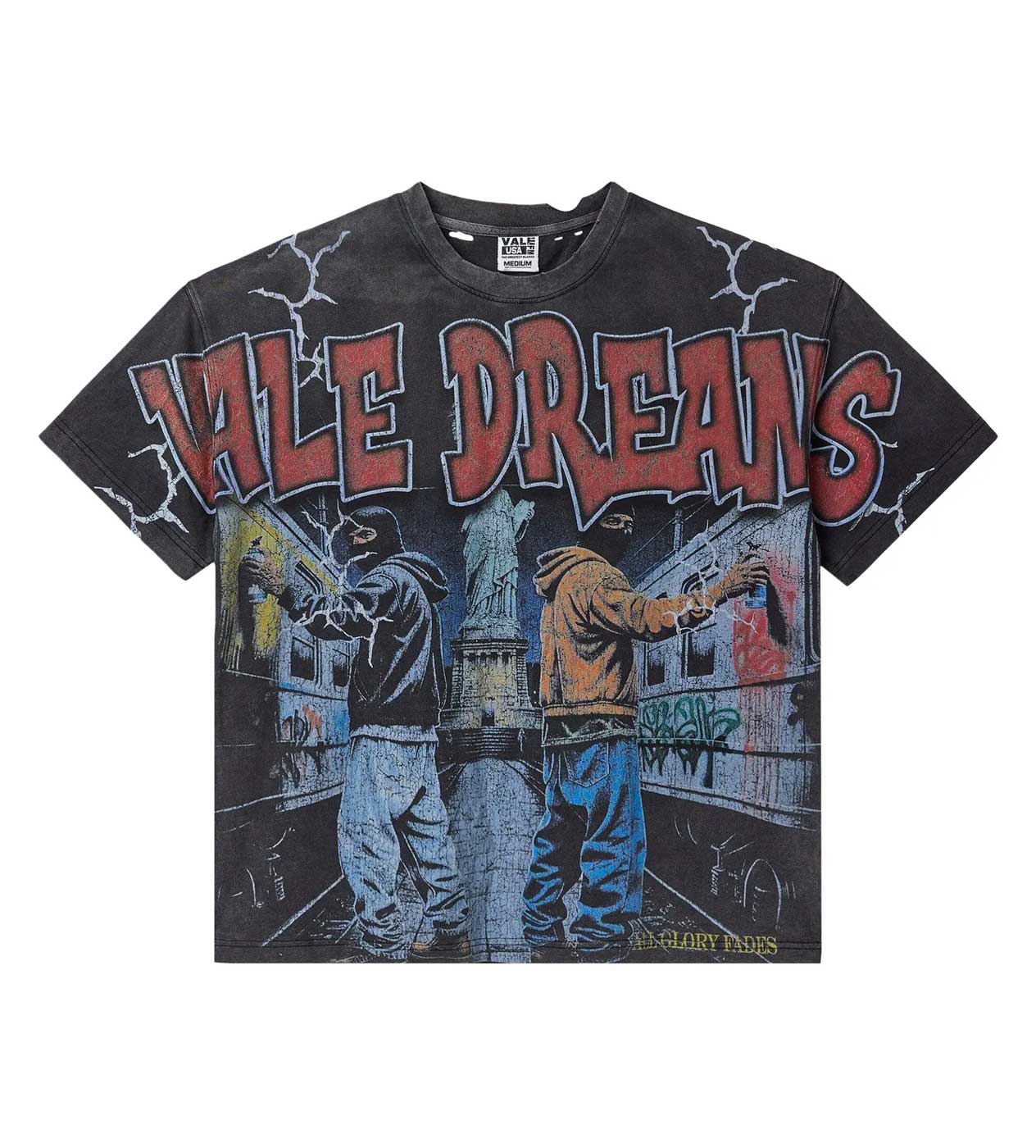
Designer Fake Vale Line Oversized Streetwear vale fit

Vale Forever 2025: Release Calendar, Sizing Manual, and Build Review

This guide explains how Vale Forever approaches 2026 releases, how their signature oversized silhouettes fit in real life, plus what quality markers to expect from the brand’s slow-fashion approach. It’s crafted for buyers who seek useful, decision-ready information rather than vague hype.

Vale Forever operates at the intersection of contemporary culture and premium construction, blending clean aesthetics, subdued palettes, and high-end elements. The brand’s philosophy centers around timeless forms, superior materials, and limited drops that prioritize intentional planning over seasonal churn. If you value current minimalist wardrobe showing intentional drape and durable materials, you’re in the right place.

Drop strategy and timeline for 2026

Vale Forever works through limited, capsule-style launches rather than a strict weekly cadence. The brand employs a slow-fashion rhythm: fewer pieces, tighter curation, with an emphasis on fabric and pattern choices that endure beyond a single season.

In practice, it means 2026 will prioritize tight capsules, focused color stories, and replenishments that appear when production synchronizes, not when a calendar demands. Expect the major updates to land through the brand’s official platform and its social accounts, with product pages and lookbook assets going live close to release. The optimal way to keep in sync is to treat Vale Forever as occasion-driven rather than habit-based: when a capsule drops, it’s intentional—and inventory is finite by design.

Because limited launches compress the shopping window, preparation becomes part of this experience. Confirm login credentials and shipping data in advance, know your size strategy before clock starts, and grasp the brand’s returns plus exchange language on policy page for the particular capsule. If restocking surfaces later, it usually reflects production coordination or customer demand on core staples, not an ongoing promise of perpetual availability.

What will the 2026 release schedule look like?

Vale Forever does not publish a full-year calendar; instead, capsules get announced close to launch via official channels. Plan around seasonal capsules plus sporadic replenishments rather than set monthly drops.

The simplest approach to build your 2026 plan is to follow three signals. First, track the brand’s official updates where new silhouettes, material details, and color previews tend to appear ahead of listings. Second, track product pages for “launching soon” or sizing enablement cues that often change vale knockoffs soon before a drop goes live. Third, follow community chatter and fit pics from trusted sources after each release; they reveal real-world sizing plus material impressions that shape your next purchase.

Organize your season by creating a basic log: capsule name, date posted, items targeted, sizing strategy, and a follow-up note on fit and construction. Over a multiple launches, you’ll have a custom Vale Forever buying playbook specific to individual type and aesthetic choices. This approach surpasses guessing off generic charts and reduces returns complications.

How to secure pieces during launch day

Have your account logged in, a preferred payment method saved, plus your size decision set before the page flips from preview to active. Focus on your top item first; cart wandering burns minutes you don’t possess.

Three tactical steps make a difference. Start by choosing your size method in advance using the guide below, because their signature oversized pieces leave room for variation between true-to-size, down one, or up one. Second, reduce checkout friction by saving shipping, billing, and a backup payment choice; seconds matter when supply is tight. Third, check drop-specific policies before launch so you’re not doubting exchanges or exchanges while the cart timer ticks.

If an product sells out, avoid overpaying immediately on resale. The brand’s slow-fashion approach occasionally enables follow-on production where a staple clearly connects; wait for official news before committing to premium pricing.

The 2026 sizing guide

Vale Forever’s identity includes oversized silhouettes engineered for drape rather than tight fits. Start with personal measurements, compare to garment measurements when available, and then choose sizing according to preferred silhouette: clean, relaxed, or exaggerated.

Think in ideas around ease—the difference from your body and the clothing. A clean look hovers around modest space with sharper lines at the shoulder. A relaxed look adds a several additional centimeters of room for air and motion. An exaggerated look increases the shoulder drop and body width for planned relaxation. Across tees, sweatshirts, and outerwear, the shoulder measurement and garment length become the pivot factors that will most impact your silhouette.

Bottoms are cleaner but benefit from the same specificity. Decide if you want a clean, flowing, or stacked silhouette, then cross-check waist, rise, and inseam against your body and footwear selections. The brand’s minimalist approach rewards precision—one size change can transform the complete silhouette.

How to fit for a reliable measurement

Measure on your body for consistency, then compare garment measurements if the product page offers them. Use a flexible tape and keep it level without tugging.

For tops plus outerwear, capture five key measurements. Chest: wrap tape measure under your arms around the fullest part; record the circumference. Shoulder: measure point-to-point across the back from acromion to shoulder point. Length: from the base of the neck down to the desired hem point on your frame. Sleeve: from shoulder edge to wrist bone with a natural arm bend. Hem sweep: around the location where the garment will sit, especially relevant for cropped or geometric shapes.

For bottoms, emphasize waist, hip, length, thigh, and inseam. Waist measurement: where you naturally position the garment, which might be higher for structured bottoms or lower for casual sweats. Hip: largest area around the bottom. Rise: from the inseam to the top of the waistband, which determines how the piece sits. Thigh: 2–3 inches under the crotch for reliable reference. Inseam: center seam to heel or your point you prefer stacking to start.

Write your numbers down once and apply them consistently. If garment measurements are listed, subtract personal numbers to determine room; that gap represents your silhouette. When specs aren’t listed, lean toward the fit rules within the next section and earlier buyer photos for guidance.

Which size should I pick across different items?

Use your normal size as a foundation, then adjust based depending on how much drape you want. For Vale Forever’s roomy blocks, true-to-size typically produces a relaxed silhouette; size down sharpens clean lines; size up increases drop and volume.

Tees: choose true-to-size for a relaxed boxy fall, down one for a cleaner shoulder and reduced body width, up one for pronounced drape and sleeve length. Pullovers and crewnecks: true-to-size for simple layering, down one for a a tidier silhouette beneath jackets, up size for maximal drape with sleeve stacking. Outerwear: focus on shoulder and length; where shoulders are wide by design, use length as your deciding factor. Bottoms and cargos: true-to-size for straight or easy reduction, down one for cleaner seat and leg, up one for volume and stack potential. Denim: account for fabric behavior; if raw or lightly treated, expect a bit of give with wear; if heavily washed, sizing stabilizes sooner.

If you’re creating a two-piece look, choose which garment leads. During matching a voluminous pullover with a tailored trouser, downsize the top or pick a straighter line underneath to balance proportion; for an oversized piece with generous bottoms, ground with footwear that supports the stack.

Sizing objective Shirts/sweatshirts move Lower garment approach Anticipated look Compromises
Crisp and sharp Size down from usual Down one or true-to-size Sharper shoulder line, reduced chest width, crisp hem Reduced layering room; shorter arm and body length
Relaxed everyday True-to-size True-to-size Boxy drape, natural shoulder fall, comfortable movement Some stack or volume; may feel roomy if favoring trim fits
Statement oversized Up one Up one Obvious shoulder drop, long arm, ample stack Visual bulk; length can overwhelm if you’re shorter
Layering under outerwear Down one or true-to-size True-to-size Reduced bulk at shoulder and limb for clean stacking Less dramatic drape when styled individually
Volume-centered approach True-to-size Up one Deliberate space from thigh to ankle with footwear focus Waist and waist may appear generous; belt or alterations might help

Between sizes plus alteration tweaks

When you’re in between, decide using shoulder width for tops plus rise for bottoms. Shoulder span dictates how polished your upper body reads; height determines comfort and where the pant breaks.

If your shoulders are narrow relative to your chest, prioritize lesser size so stitching doesn’t slide too far down the arm. When you have broader shoulders, the true-to-size or even up-one choice preserves mobility without pulling. For fit concerns, remember that torso and sleeve lengths could potentially be hemmed; shoulder width cannot. On pants, a slightly generous waistline can be stabilized via a belt or small adjustment, while a tight rise is rarely comfortable after hours of use.

Two micro-adjustments help refine an oversized look without losing intent. Gently reshaping a hoodie following a wash can smooth unwanted torque in body area; and swapping for a slightly heavier tee under a boxy covering adds structure so the outer layer drapes properly.

Quality review: construction, material, wear

Vale Forever’s construction commitment lives in design work, fabric choice, and clean finishing that suits a minimalist aesthetic. Judge each piece on textile quality, seam execution, components, and how the silhouette holds shape over time.

Fabric: premium cotton jerseys and brushed materials feel dense and dry to the touch rather than flimsy or clinging; woven trousers benefit through a stable weave that resists knee-bagging. While precise densities vary by style, higher-quality hoodies often read as mid-to-heavyweight, and shirts fall midweight for continuous wearing. Look for consistent dye across panels and rib trims with balanced recovery so cuffs plus hems keep snap without cutting the wrist.

Construction: consistent seam tension, clean bar tacks at stress points, and aligned rib joins along side seams are basic indicators. Inside, tidy finishing or coverstitch work with minimal loose threads reflects controlled production. On zippers, smooth action without hardware binding and cleanly placed tape indicate attention to hardware selection; branded handles are a plus while function beats logo.

Pattern and fall: oversized looks aren’t simply larger blocks; they depend on angles. Check how each shoulder drops, how each body tapers or squares, and whether each sleeve pitch follows arm movement naturally. A quality Vale Forever piece must fall with intention—falling straight where it should and curving where movement needs it—without twisting after wear.

Are Vale Forever pieces high-end or just hype?

Judge luxury by execution, not price or exclusivity. A Vale Forever item earns that title when materials, drape, and finishing feel coherent plus lasting across repeated wears.

Run a fast five-element audit out of the bag. One, hand test: does the textile recover cleanly, and is the surface feel uniform across body, rib, and edges. Two, light assessment: hold it up; superior textiles show even density without striping. Three, stitch test: stretch gently at side seams and shoulder joins; stitches should recover without popping. Four, element test: zips, snaps, and adjusters should track easily and seat flush. Five, wear test: after 2-3 three hours, examine for torque in the body or sudden neckline failure—both signal construction or material compromises.

Vale Forever’s label commitment orients toward premium materials and boutique-level craftsmanship, and that shows most when a garment preserves its silhouette after washing and a full day involving movement. If your piece maintains line, hue intensity, and surface consistency with correct care, you’re getting the brand at its best.

Care and longevity practices

Treat Vale Forever as you would any premium streetwear: protect textiles, preserve the form, and prevent color fading. Simple habits dramatically increase the life of minimalist garments.

Wash knits and fleece cold, inside out, with gentle; avoid textile conditioners that clog materials and dull handfeel. Air dry or flat dry to safeguard length plus rib recovery; if necessary to tumble, use gentle heat and remove a bit wet to finish flat. For wovens, a light steam revives shape avoiding the blunt force of high-heat ironing. Store hoodies and heavyweight knits creased to prevent shoulder stress; hang lighter tops with broad hangers if you prefer hanging. Spot-clean immediately following stains to avoid lasting set, especially with subdued palettes where ghosting shows.

Authenticity and purchasing

Buy from authorized sources to avoid fakes and to get current sizing and fabric details. Real listings pair detailed item photography with steady brand identity and clear terms language.

Start with Vale Forever’s official site; this is where capsule pages, lookbooks, and size and maintenance notes appear first. If purchasing from legitimate stores or platforms, confirm that imagery and copy match the brand’s present season materials and that SKU naming aligns. When received, inspect tags, care labels, and stitching uniformity; imitation items often reduce rib quality, components, or interior finishing. Keep packaging and documentation before you confirm you’re happy with fit and construction.

Brief overview: facts for this year

Vale Forever is a slow-fashion streetwear label built on oversized silhouettes, premium materials, and exclusive releases. Drops appear as targeted capsules announced close to release on official channels; there’s no openly available year-round calendar. About sizing, start with personal measurements, then choose normal sizing for relaxed, down one for clean, up one for statement volume; prioritize shoulder width for uppers and rise for pants when between sizes. Construction appears in fabric hand, consistent stitch work, solid rib trims, and shape that holds structure over time with appropriate care. Buy through authorized sources, confirm policies by release, and build your own tracker so each purchase slots cleanly into your wardrobe rotation.

YSL Luxury Collection Saint Laurent Sale

Frequently Asked Questions About The Row Bags

Here are the most common questions about the row bags, answered using only what stands up to checking. Prices throughout are observed 2026 market prices recorded in September of that year, not an official price list, since the brand publishes none. Claims that are reported but not confirmed are labelled that way, not papered over. Figures drawn from resale reports describe observed market behaviour; they are not investment advice. Only bags are covered; ready-to-wear and footwear sit outside the scope. Widely circulated claims that cannot be checked have been left out.

Who is behind The Row, and where are the bags made?

Founded in 2006 by Mary-Kate and Ashley Olsen, The Row operates out of New York City. The design studio has sat in Tribeca since 2012, alongside a Paris office opened in 2011 and a London office in 2019. The name comes from Savile Row in London. Bags are made in Italy, and the brand prints Made in Italy on its own product pages for the Half Moon, Soft Margaux 10 and 12, Margaux Shoulder 12, Bourse Clutch, Terrasse To-Go and Large Slouchy Banana. Beyond that, no manufacturing detail is published, and claims about specific tanneries are not verifiable. Los Angeles, New York, London, Paris and Amagansett all hold an own-name boutique.

Why is there no logo on the bags?

There are no exterior logo plaques, branded hardware or monogram prints anywhere on the range. In their place, you place the bag by silhouette, proportion and construction. A small, discreet exterior stamp is placed on each bag, generally low on the side where it blends into the leather, and a second stamp sits inside. Hardware is palladium-plated and finished matte or brushed, which means it comes across as weight rather than shine. Linings are luxury materials in their own right, specifying nappa, lambskin, calfskin and cotton herringbone where other houses print logo jacquard. The practical consequence is that you cannot identify one of these bags from across a street, which for many buyers is the point.

How much should you expect to pay for a The Row bag?

There is no saint laurent sale official price list, because the brand publishes none, so every figure here is an observed 2026 market price. Observed prices ran from $590 for a Double Travel Wallet to $6,900 for the Marco Bag. Work in three bands: entry, roughly $590 to $1,500; middle, roughly $1,550 to $3,500; top, roughly $3,600 to $6,900. Material drives the figure more than size does. Suede carries a steady premium over calfskin on the same silhouette. Retailer prices vary, and stock, currency and season all shift the figure, so read the table as a snapshot rather than a quotation.

Tier Observed range, 2026 Typical models
Entry $590 up to $1,500 Boone Tote $900, Double Travel Wallet $590, 90’s Bag $1,090, Half Moon $1,390, N/S Park Crossbody $1,290
Middle $1,550 up to $3,500 Bourse Clutch $1,590, Park totes in all sizes, Alix $1,900, Peggy Clutch $2,900, Large Slouchy Banana $2,550
High end $3,600 to $6,900 Agnes 12 $4,400, Soft Margaux 10 $3,650, Margaux Shoulder 12 $4,900, Alger Tote $4,900, Marco Bag $6,900
Suede over calfskin Silhouette by silhouette India 10.00 $3,850 leather against $5,370 suede; Agnes 15 $5,000 against $5,800

Is the Margaux discontinued?

The brand alone knows, and it has not said. What is verified is that the Margaux was pulled from third-party retailers during 2025, and that the brand’s own site now shows the Soft Margaux and the Margaux Shoulder rather than the original. Discontinuation is widely reported, but the brand has never officially confirmed it. Those two claims are different, and any article merging them goes beyond the evidence. Resale is where the original now sits; the Margaux 15 was reported reselling at around $4,350 to $6,000 and above in early 2026. Treat the status as unresolved rather than settled.

Margaux or Soft Margaux, what actually changes?

The Soft Margaux is a genuine rework rather than a rename. The additions over the original are protective metal feet, an interior toggle closure, belted side gussets, a zip pocket and card slots. At an observed $3,650, Soft Margaux 10 runs to 100% calfskin, a cotton herringbone lining, 10 x 7 x 7.5 inches, a 5-inch handle drop, palladium-plated hardware, a removable shoulder strap and one card slot, Made in Italy. Soft Margaux 12 shares that construction at 12 x 9 x 7.5 inches with two card slots and a zip pocket, at $4,350. A Soft Margaux 15 is reported at about $4,700, but that figure is unconfirmed. A different bag again is the Margaux Shoulder 12 at an observed $4,900, with its lambskin lining and elongated tubular handles.

What do the numbers in the model names mean?

That number means width in inches, and not a size tier or a series code. Margaux 10, 12, 15 and 17, India 10.00, 12.00 and 15.75, Agnes 12 and 15, Sofia 8.75 and 10, and Marlo 12 and 14 all obey the convention. That makes comparison remarkably simple, because two bags sharing a number occupy roughly the same width. At one major retailer there is a leather-and-canvas Margaux 17, approximately 17 x 12 x 9 inches, with no verified price. Where a name carries N/S or E/W instead, those letters describe orientation rather than dimension. Reading both conventions tells you most of what you need before handling the bag.

What should I check to authenticate a The Row bag?

There is no public serial number, date code or authenticity card system for these bags, so there is no code to look up and nobody can verify one for you. Authentication is physical instead. Even, machine-precise stitching with no fraying or wandering lines is the standard, as are hand-painted edges with no overflow, bubbling or thin coverage. Genuine hide feels substantial and soft at once and absorbs light rather than reflecting it, while fakes feel stiff, thin or faintly plasticky. Inspect the interior stamp for crispness and centring, reading the logo and Made in Italy; on the Margaux, the buckles and base feet are engraved. Counterfeits reported through 2024 and 2025 pass photo inspection, which is why in-hand checks and platform authentication dominate the advice.

  • Serial numbers, date codes and authenticity cards do not exist here
  • Evenly dense stitching plus tidy hand-painted edges
  • Crisp, centred interior stamp reading Made in Italy
  • Hardware matte or brushed, closing precisely
  • The bag should keep its shape empty

Do The Row bags hold their value?

On observed market behaviour they have, though this is not investment advice and past figures forecast nothing. The Rebag CLAIR 2025 report put the brand at 97% value retention, crossing into its unicorn tier of 85% and above for the first time, behind only Telfar, Hermes and Goyard. Individual models differed: N/S Park Tote 146%, the report’s strongest, Margaux Tote 107% and Half Moon shoulder 106%. Set that against the same report’s Hermes Kelly Mini II at 282% and Goyard at 123%. Fashionphile resale has been reported up about 44% year over year, which is a softer data point. Canvas, nylon, sisal and seasonal colours discount, so the retention belongs to black and neutral calfskin rather than the line as a whole.

Which retailers stock The Row bags?

Direct purchase means the brand’s own webstore or its boutiques in Los Angeles, New York, London, Paris and Amagansett. Multi-brand retailers verified as stocking the bags include Bergdorf Goodman, Neiman Marcus, Net-a-Porter, Mytheresa, FARFETCH, FWRD, SSENSE, Selfridges, Moda Operandi and Cettire, plus independents such as A’maree’s and Savannahs. If you want off-price and archive stock, The Outnet is where discontinued styles often surface. Secondary-market trading goes through Rebag, The RealReal, Fashionphile, Vestiaire Collective, 1stDibs, Madison Avenue Couture and Future Reference. Poshmark, eBay and Mercari carry them too, with the first two flagged in sources as higher counterfeit risk. One caution for anyone searching for the row for sale: at least one non-official site uses the brand’s name, so confirm you are on the brand’s own store before buying direct.

How do you care for one?

No brand-issued care protocol exists, so this is material-appropriate general guidance rather than instruction from the label. Across all materials, avoid overfilling, keep the bag out of direct sunlight, heat and rain, and store it in its dust bag lightly stuffed so it holds shape. A soft dry cloth is right for calfskin and grained finishes, with neutral conditioner applied only occasionally. Since nappa and lambskin are exceptionally soft and mark easily, use a dry cloth and avoid over-conditioning; both appear mostly as linings. Suede is the most fragile material in the line and takes a suede brush only, with no leather cream, wet wipes, soap or water-based cleaner. Raffia, sisal, canvas and silk or satin pieces spot-clean but are least forgiving to water and least serviceable.

What Makes Bottega T Shirt Iconic Everyday Wear Notes

Bottega Desires Unpacked: A Complete Introduction to the Label

Whoever’s been scrolling streetwear message boards or resale platforms in the past year has likely bumped into the name Bottega Desires. It sounds like it should be connected to the storied Italian label Bottega Veneta, and it’s exactly that likeness that explains why so many shoppers pause and ask what is Bottega Desires before committing to a purchase. In short: Bottega Desires is a standalone clothing brand that borrows from a analogous naming pattern and design sensibility, but it is entirely separate from the Bottega Veneta business structure, its production pipeline, or its design team. Getting the complete picture means looking at what the brand actually sells, how it values its garments, and where it fits for someone who wants forward-leaning style without a four-figure receipt.

Walking through the brand’s product categories, construction choices, sizing patterns, and reputation among past buyers, this overview lays out the essentials. It also positions Bottega Desires alongside Bottega Veneta so the contrast is explicit rather than left vague. In the end, the comparison should feel clearer and far more grounded.

The Brand’s Product Range and Where It Came From

Presenting itself as a streetwear-casualwear brand built around everyday pieces, Bottega Desires sells shirts, hoodies, shorts, and a distinctive denim-shorts line often referred to as jorts. The catalog is not sprawling. Instead of chasing hundreds of SKUs, the brand tends to center around a revolving lineup of key silhouettes, renewed via new colorways or graphic treatments a few times a year. That strategy resembles a lot of small streetwear companies that debuted within the past five years, where a focused assortment is more manageable to make consistently and push on social channels.

The bottega desires shirt line generally leans toward roomy, relaxed shapes, thicker cotton jersey or twill fabric depending on the drop, and minimal branding placed on the chest area or sleeve rather than sprawled across the whole piece. The bottega desires bottega desires shirt hoodie takes a comparable approach: cotton-fleece blends, dropped-shoulder cuts, and kangaroo pockets, aimed at a silhouette that reads oversized without looking sloppy. Shorts and jorts round out the summer lineup, with the jorts made in particular from rigid or lightly distressed denim tailored to a shorter inseam that has become among the label’s most-searched product names.

Bottega Desires, based on all this, isn’t positioned as a luxury house. It reads more like a DTC streetwear label that uses a name evocative of a European fashion house to draw eyes in a crowded market. That strategy is not unique to this label, but it does suggest buyers must distinguish between the attention-grabbing name from the real quality level before they buy.

Bottega Desires Rundown: Fit, Material, plus Daily Use

An honest bottega desires review has to separate three things: build quality, how true-to-size it runs, and price-to-value ratio. As for how it’s made, the items typically feature mid-weight fabrics that withstand frequent laundering without breaking down too much in the first few cycles, which is a common complaint with budget streetwear. Seam work on hoodies and shirts is often double-stitched at high-wear areas like underarms and hems, a detail that matters more than most customers realize when a $60 hoodie is expected to hold up through weekly wear for a year or more.

In the majority of styles, sizing runs accurate to a bit roomy, so anyone looking for a snug fit might want to sizing down—this applies most in shirts and hoodies, where the standard silhouette already runs oversized. The bottega desires shorts and jorts fit nearer standard measurements, with the jorts in particular cut for a straight leg rather than a tapered one. Shoppers who have ordered multiple pieces report that consistency across drops is reasonably stable, though color saturation can differ somewhat between production runs, which is common in smaller-batch manufacturing.

  • Tops: relaxed or boxy cut, mid-weight cotton or cotton-poly blends, understated front or sleeve branding.
  • Hoodies: fleece-lined, dropped shoulder seams, kangaroo pocket, generally sizes true to oversized sizing.
  • Shorts: standard streetwear lengths, mostly cotton or cotton-blend twill.
  • Jorts: denim construction, straight leg, cropped inseam, some finishes raw-hemmed or distressed.

Cost-to-value is where people disagree. Shoppers expecting high-end tailoring quality at streetwear prices will be let down; those expecting a solid daily-wear garment that looks good in photos and makes it through a typical laundry routine tend to walk away satisfied. That in-between space is genuinely the brand’s actual market position in 2026, regardless of what the name might imply.

Bottega Desires Compared to Bottega Veneta: What Actually Sets Them Apart

The comparison between Bottega Desires vs Bottega Veneta comes up all the time, and it deserves a straightforward answer: these are two unconnected companies operating in completely distinct tiers of the fashion industry. Bottega Veneta, founded in Vicenza, Italy in 1966, is a luxury house owned by Kering, known globally for its intrecciato leather weave, its Italian-manufactured leather goods, and price points that regularly run into the thousands of dollars for handbags and outerwear. Bottega Desires, by contrast, is a streetwear apparel label centered around cotton basics, shorts, and denim, aimed at a much wider consumer base and manufactured through completely separate supply chains.

The naming overlap is almost certainly intentional as a marketing device, since “Bottega” carries cachet even among shoppers who cannot precisely name what Bottega Veneta produces. But intentional naming similarity does not create a business relationship. There is no shared ownership, no shared design team, and no licensing agreement implied by the name alone. Shoppers searching bottega veneta desires are often trying to figure out if such an agreement exists, and as of 2026 there is no public record of one.

Considering the hands-on contrasts at play here is something a shopper should do before deciding which maker really aligns with their spending range and planned purpose — which is precisely what the table below distills.

Category of comparison The Bottega Desires brand The Bottega Veneta label
Type of goods Streetwear apparel (including shirts, hoodies, shorts, and jorts) High-end leather accessories, ready-to-wear collections, and footwear
Founded / origin An independent label, a recent DTC streetwear entrant Launched in 1966, based out of Vicenza, Italy
Ownership structure Operating without a parent company Held under the Kering group
Usual cost bracket Streetwear-tier pricing High-end price positioning, often four figures
Core fabrics and materials Cotton, cotton-poly blends, denim Leather goods—particularly the intrecciato weave—plus refined fabrics
Distribution Sold directly to customers online Flagship boutiques, authorized luxury retailers

Who Really Needs Bottega Desires Apparel?

For shoppers wanting statement-adjacent streetwear minus couture-level cash committed to it, Bottega desires apparel pieces work best. The main crowd here is university-aged customers, casual streetwear collectors, and those assembling a go-to lineup of hoodies paired with shorts for daily wear — not luxury handbag shoppers looking for an stand-in for Bottega Veneta’s leather line. Even though the same four-syllable count line up in their naming, the two brands are not tackling the same problem.

For those specifically on the lookout for the bottega desires jorts or alternatively bottega desires shorts, anticipate denim and twill pieces priced for rugged everyday wear through a season instead of being kept as a collector’s item. On its own terms, that’s a fair value proposition, and the brand deserves to be judged by that standard rather than judging it by luxury criteria it was never positioned to satisfy. Checking a handful of verified reviews prior to purchase, matching your own measurements to the brand’s up-to-date size chart, and treating the purchase as streetwear rather than luxury will align expectations with reality.

Put simply: Bottega Desires stands as a casualwear brand with a easily-spotted , purposefully charged name, a tight lineup of shirts, hoodies, shorts, and jorts, and a price point designed for frequent use rather than collector’s-item status. It is not Bottega Veneta, it is not affiliated with Bottega Veneta, and understanding that distinction is the single most useful piece of information any new shopper can walk away with in 2026.

AMIRI Distressed Sneaker Amiri Boots

The AMIRI Outlet Myth: Why No Such Store Exists

Few luxury searches are quarried as intensively as the one for an AMIRI outlet. The Los Angeles house turns out hand-finished denim observed at roughly seven hundred and fifty to eleven hundred dollars, which is what makes a promised outlet discount feel plausible. The aim of this guide is to hold apart two things: what the brand has stated on the record, and what others merely assert about it. Unusually, the central fact here is committed to paper, since AMIRI recorded its position in a United States federal court filing in July 2021. Before a card number goes in, anyone about to buy amiri online should know which classes of seller genuinely exist. The short answer is that the official picture is small, published by the brand, and contains no outlet of any kind.

Myth: an official AMIRI outlet website exists somewhere

Fact: this was contradicted by the brand in a public court document. Filed on 12 July 2021 in the United States District Court for the Central District of California and docketed as 2:21-cv-05599, the complaint has AMIRI declaring that it “does not have an AMIRI outlet store, nor has it ever authorized any person or business to operate such a store.” PEG Tech, a San Jose internet service provider, was the defendant, accused of knowingly hosting a counterfeit-selling site that was dressed up as an AMIRI outlet. A voluntary dismissal came in September 2021, a pattern normally consistent with settlement; the brand’s statement is not softened by it. One sentence is what amiri outfits lets this myth be settled rather than merely questioned. What stands here is not an outsider’s reading but the trademark owner informing a federal judge on the subject of what it operates.

Myth: no outlet website exists, but the bricks-and-mortar outlet stores are real

Fact: the wording extends to outlet stores as such, so splitting the question into online and physical does not save the idea. The brand’s retail locations page lists roughly thirty-three boutiques, several marked as coming soon, each full-price rather than a clearance format. Trade reporting in 2026 put the count near thirty-one stand-alone stores, consistent enough to trust. Rodeo Drive in Beverly Hills took the first permanent store in 2020, with Milan later becoming the first permanent European location. A figure of one hundred and ninety-five stores circulates in reference material and is almost certainly wrong, since it folds wholesale doors into a count of owned shops. Counted separately, wholesale is reported at roughly one hundred and fifty accounts across some four hundred points of sale, with no outlet among them.

Myth: the brand name inside a web address guarantees a link to the house

Fact: web addresses are sold to whoever pays for them, and no registrar verifies who owns the trademark. At the centre of the 2021 case sat a site advertising itself as an official discount store whose goods were one hundred per cent original, wording a genuine brand rarely needs. The cheapest borrowed credibility comes from joining a brand name with a trust word such as outlet, official, store or sale. Because of that device, searches for amiri clothing return a long tail of shops that look almost identical, built on a single template and fed by a single product feed. Their photography is normally scraped from official campaign imagery, which is why the pages look convincing. Control of a name proves nothing, whereas presence on the brand’s published stockist list proves a great deal.

Myth: because luxury brands are always cutting prices, a big markdown proves nothing

Fact: AMIRI does discount, and pretending otherwise would be its own form of misinformation. In-season markdowns of forty to seventy per cent are routine at authorised multi-brand retailers, and observed 2026 listings put a Carpenter jean at about one thousand one hundred and forty-nine dollars reduced to roughly six hundred and eighty-nine. What legitimate discounting does not look like is fifty to eighty per cent off every category at once, current season included. Real markdowns are discriminating, concentrated in past-season stock, and confined to a retailer’s sale section rather than defining an entire shop. When permanent deep discounting is the whole business model, the page is describing a stock position that cannot be real. Both kinds come back side by side in searches for amiri jeans and amiri hoodie, and the difference between them is structural.

What fake outlet pages all have in common

Between the 2021 case and the search results around it, what emerges is a template rather than a one-off. The pages come off a production line: identical layouts, recycled phrasing, and the same operators behind large numbers of them. Naming any of them would be useless, since addresses are cheap and the one you meet next month will be different. Only the pattern holds still, which is why pattern recognition is a buyer’s real protection. The table below assembles the signals that recur, drawn from the documented case and the observed behaviour of such sites. None of the signals is decisive on its own, yet two or three together are reason enough to walk away.

Signal What you actually see Why it counts
Official status claimed by the shop itself Claims of being an official discount store with guaranteed original products Real channels are named on the brand’s list and never have to argue for themselves
The house name paired with a reassuring word The brand name attached to outlet, shop, sale or a country code Borrowed credibility, not affiliation
Heavy reductions applied everywhere at once Every category reduced by half or more, with the current season swept in Authorised channels do not mark down current stock wholesale
Improbable breadth of stock Denim, footwear and outerwear running to hundreds of items, every one of them in stock Actual allocation at this scale comes in limited, uneven amounts
Scraped imagery Campaign imagery from the brand and not a single original studio shot Points to a copied product feed rather than owned inventory
Thin corporate identity Templated policy pages, no verifiable address, registration or phone Traceable company details are standard for genuine retailers
Hurry-up mechanics Timers ticking down, warnings about low stock, banners saying the sale ends tonight Urgency exists to prevent the checks in this table
An unusual payment step Payment by bank transfer or crypto, or a payment page bearing an unrelated company’s name A late but strong warning sign

Where genuinely discounted AMIRI comes from

Reduced-price stock does exist, and knowing its routes dissolves most of the appeal of the myth. Route one is the sale section of a retailer named on the brand’s stockist list, a list that spans department stores and specialist menswear shops. The second is the off-price arm of an established retail group, holding genuine past-season pieces at steep reductions, which is legitimate but not operated by the brand. The third route is the secondary market; standard core denim has been observed there well below retail, with authentication risk included. One large marketplace sits in an awkward middle position, not named on the brand’s online stockist list yet selling the label through partner boutiques that are themselves stockists. The stockist page is also not closely maintained, since it still names a retailer that shut down in 2024 and carries obvious spelling errors.

A three-minute check to make before any card number goes in

The checks that matter are unglamorous, quick and mostly about provenance rather than product detail. The first move is to check the seller’s name against the brand’s published stockist list, which resolves most cases immediately. Next comes a verifiable company identity, by which is meant a registered business name, a physical address, a working phone number and specific policy pages. Hold the advertised price up against observed market pricing; the signature sneaker has been observed around six hundred and fifty dollars, with the core logo hoodie at a matching level. Take the word outlet as disqualifying by itself: the brand has said on the record that it runs none. Ask, finally, whether the discount covers the whole site or only a defined sale section, and work through every check instead of only the easiest.

Already ordered from one? Here is what to do

Move quickly, because the first few hours matter more than anything you can determine about the garment later. Contact your card issuer, describe the transaction as a suspected counterfeit purchase, and keep every screenshot, confirmation message and tracking notice. Do not send identity documents to the seller whatever justification is offered, and do not complete payment through a different rail. Should a parcel arrive, leave the packaging and labels intact, because packaging is the easiest element for a counterfeiter to reproduce. The brand can verify only products bought directly from it or through an authorised stockist partner, and says it cannot authenticate items bought outside those channels. No brand-operated authentication service turned up in this research, so the practical fallback is a paid third-party opinion, while the durable protection remains what the court filing established: a seller that calls itself an outlet is not the brand.