European Roulette ist eines der beliebtesten Casino-Spiele, das sowohl in landbasierten als auch in Online-Casinos gespielt wird. In diesem Artikel werden wir uns auf Online European Roulette konzentrieren und alle wichtigen Informationen darüber teilen. Als erfahrener Online-Casino-Spieler mit 15 Jahren Erfahrung in diesem Bereich kann ich Ihnen Continue reading “Alles, was Sie über Online European Roulette wissen müssen”
Category: Uncategorized
Undress Tool Alternative Apps Try Free Today
9 Verified n8ked Alternatives: Protected, Ad‑Free, Privacy‑First Picks for 2026
These nine alternatives let you build AI-powered graphics and fully artificial “AI girls” while avoiding touching unwilling “AI undress” plus Deepnude-style functions. Every pick is ad-free, security-centric, and both either on-device plus built on transparent policies appropriate for 2026.
People end up on “n8ked” or similar nude apps seeking for velocity and realism, but the exchange is danger: non-consensual fakes, suspicious data gathering, and unmarked outputs that spread harm. The solutions below emphasize authorization, local processing, and origin tracking so you may work creatively without crossing legal plus ethical lines.
How did the team confirm protected alternatives?
We prioritized on-device processing, without ads, direct bans on unauthorized content, and clear data management controls. Where online models show up, they operate behind established policies, audit trails, and media credentials.
Our review focused on five key criteria: whether the application runs locally with zero telemetry, whether it is ad-free, whether the tool blocks or prevents “clothing removal app” behavior, whether it supports output provenance or marking, and whether their TOS bans unauthorized nude or deepfake use. The conclusion is a selection of usable, high-quality options that avoid the “online nude generator” model entirely.
Which tools qualify as ad‑free and privacy‑first in the current year?
Local open packages and pro desktop software dominate, since they minimize information leakage and tracking. Users will encounter SD Diffusion UIs, 3D modeling avatar creators, and professional editors that store confidential files on your device.
We excluded undress tools, “girlfriend” deepfake creators, or services that turn clothed images into “lifelike nude” content. Ethical creative workflows center on https://n8ked.eu.com synthetic models, licensed datasets, and documented releases when living people are included.
The 9 privacy‑first alternatives that really function in the current year
Use these whenever you require control, professional results, and safety minus engaging an clothing removal application. Each pick is powerful, commonly used, and will not rely on deceptive “AI nude generation” assertions.
Automatic1111 SD Model Web Interface (Local)
A1111 is a most popular offline front-end for Stable SD, offering you precise control while storing everything on the local machine. It is ad-free, expandable, and supports SDXL-level output with guardrails you set.
The Web UI functions offline following setup, avoiding cloud transfers and reducing privacy vulnerability. You can produce fully generated individuals, stylize original images, or build artistic art without triggering any “clothing stripping tool” features. Extensions include ControlNet, inpainting, and improvement, and users decide which generators to load, the way to watermark, and what to block. Responsible artists stick to artificial individuals or images made with documented permission.
ComfyUI (Node‑based Local Pipeline)
ComfyUI is an advanced visual, node-based pipeline creator for Stable SD that’s excellent for advanced users who want consistency and security. It’s ad-free and functions locally.
You build end-to-end pipelines for prompt-based, image-to-image, and advanced control, then export configurations for consistent outcomes. As it’s local, sensitive content never leave your drive, which matters if people work with authorized individuals under NDAs. ComfyUI’s graph display helps audit specifically what your generator is doing, enabling ethical, traceable workflows with optional visible watermarks on content.
DiffusionBee (macOS, On-Device SDXL)
DiffusionBee provides one-click Stable Diffusion XL generation on Mac including no sign-up and no advertisements. The app is privacy-friendly by design, as it functions entirely offline.
For creators who won’t prefer to manage installs or YAML settings, this tool is a simple access point. It’s strong for synthetic portraits, artistic studies, and style explorations that bypass any “AI nude generation” activity. You may store collections and prompts on-device, implement your own safety filters, and output with metadata so team members know an image is machine-generated.
InvokeAI (Local SD Suite)
InvokeAI is a comprehensive refined local SD toolkit with a streamlined interface, advanced editing, and robust generator management. It’s ad-free and suited to professional processes.
The system focuses on usability and safety features, which renders it a excellent option for studios that want consistent, ethical outputs. You may create artificial subjects for adult artists who require explicit authorizations and provenance, storing source content local. The tool’s workflow features contribute themselves to documented permission and output labeling, essential in 2026’s stricter policy landscape.
Krita (Pro Digital Art Painting, Open‑Source)
Krita isn’t an automated nude maker; it’s a professional art tool that keeps entirely offline and advertisement-free. It complements diffusion tools for responsible postwork and compositing.
Use this tool to modify, draw on top of, or merge artificial renders while storing assets confidential. Its brush systems, colour management, and layering features help creators enhance structure and lighting by hand, bypassing the fast nude app mentality. When actual people are part of the process, you are able to insert releases and legal information in document metadata and export with obvious attributions.
Blender + MakeHuman (3D Person Creation, Local)
Blender with Make Human lets you create virtual character bodies on local workstation with zero ads or remote upload. It’s a ethically safe path to “AI girls” because individuals are entirely synthetic.
You are able to shape, pose, and create lifelike models and never touch someone’s actual photo or likeness. Material and lighting pipelines in the tool produce superior fidelity while maintaining security. For adult producers, this suite enables a fully virtual pipeline with explicit character ownership and without chance of unauthorized fake contamination.
DAZ Studio (3D Avatars, Complimentary to Start)
DAZ Studio is a established ecosystem for building photoreal human figures and scenes offline. It is free to start, ad-free, and asset-focused.
Creators utilize DAZ to assemble properly positioned, fully artificial scenes that do will not require any “AI clothing removal” processing of real individuals. Resource licenses are clear, and rendering takes place on your device. This is a practical alternative for those who want lifelike quality without judicial exposure, and it works well with Krita or photo editors for finish processing.
Reallusion Character Builder + iClone (Pro 3D Humans)
Reallusion’s Character Creator with i-Clone is a professional suite for photoreal digital people, movement, and face capture. It’s offline software with enterprise-ready workflows.
Companies implement the software when they want lifelike outputs, change tracking, and clean intellectual property control. You may create consenting virtual doubles from nothing or from authorized recordings, keep traceability, and produce completed frames locally. It’s never a outfit removal app; it’s a workflow for creating and posing models you completely own.
Adobe Photo Editor with Firefly (Generative Fill + C2PA)
Photoshop’s Automated Enhancement via the Firefly system delivers authorized, traceable AI to the well-known application, with Output Verification (C2PA) integration. It’s commercial software with strong guidelines and origin tracking.
While the Firefly system restricts explicit adult inputs, it’s extremely useful for moral modification, blending synthetic subjects, and outputting with digitally verifiable content verifications. If you work together, these credentials enable downstream systems and stakeholders recognize AI-edited media, deterring misuse and ensuring your workflow legal.
Side‑by‑side evaluation
Each choice mentioned focuses on offline oversight or mature frameworks. Not one are “undress tools,” and not one encourage non-consensual fake conduct.
| Application | Classification | Functions Local | Ads | Information Handling | Best For |
|---|---|---|---|---|---|
| A1111 SD Web UI | Offline AI creator | Yes | Zero | Local files, custom models | Artificial portraits, modification |
| ComfyUI | Node-based AI system | Affirmative | Zero | Offline, reproducible graphs | Pro workflows, auditability |
| DiffusionBee App | Mac AI tool | True | No | Entirely on-device | Straightforward SDXL, zero setup |
| Invoke AI | Local diffusion collection | Yes | Zero | Offline models, workflows | Commercial use, reliability |
| Krita App | Digital painting | Affirmative | No | Offline editing | Finishing, combining |
| Blender Suite + Make Human | 3D human creation | True | No | Local assets, outputs | Completely synthetic models |
| DAZ Studio Studio | Three-dimensional avatars | True | None | Offline scenes, approved assets | Lifelike posing/rendering |
| Real Illusion CC + iClone Suite | Professional 3D characters/animation | Affirmative | None | On-device pipeline, commercial options | Photoreal, animation |
| Adobe PS + Firefly | Image editor with AI | Yes (offline app) | No | Media Credentials (C2PA standard) | Moral edits, origin tracking |
Is automated ‘undress’ content legal if all parties agree?
Consent is the minimum, not the ceiling: users still need legal validation, a written model release, and must respect appearance/publicity rights. Numerous jurisdictions also regulate explicit content sharing, record‑keeping, and platform rules.
If a single subject is a minor or lacks ability to consent, it’s against the law. Even for consenting adults, websites routinely block “automated undress” uploads and non-consensual deepfake lookalikes. A protected route in the current year is artificial avatars or explicitly released shoots, tagged with media credentials so following hosts can confirm provenance.
Little‑known but verified details
First, the original DeepNude app was pulled in 2019, however derivatives and “undress app” clones remain via forks and Telegram automated systems, often collecting uploads. Next, the C2PA protocol for Content Authentication gained extensive support in 2025–2026 throughout Adobe, Intel, and major newswires, enabling secure provenance for AI-edited media. Additionally, on-device creation sharply reduces the attack surface for image theft compared to browser-based generators that log user queries and uploads. Fourth, most major social platforms now explicitly ban non-consensual adult deepfakes and respond faster when reports provide hashes, timestamps, and provenance data.
How are able to you shield yourself against non‑consensual deepfakes?
Reduce high-resolution public portrait images, add clear watermarks, and turn on reverse‑image alerts for personal name and appearance. If you find abuse, save URLs and time data, file takedowns with proof, and preserve proof for authorities.
Ask photo professionals to distribute with Media Credentials so fakes are more straightforward to spot by difference. Use security settings that stop scraping, and avoid sending any intimate media to untrusted “adult AI applications” or “online nude generator” services. If you are a producer, create a permission ledger and keep copies of identity documents, authorizations, and checks that subjects are of legal age.
Concluding takeaways for this year
If you’re drawn by an “AI nude generation” generator that promises any realistic explicit from a dressed photo, walk back. The safest path is synthetic, fully approved, or fully authorized workflows that run on your computer and leave a provenance record.
The nine alternatives above deliver excellent results without the monitoring, ads, or moral problems. You keep management of content, you avoid damaging living persons, and you receive durable, enterprise workflows that won’t fail when the next undress app gets blocked.
Why Righteous T Shirt Is Popular Sizing and Fit Notes
Unpacking the Righteous Hoodie: What Makes It a Go-To Piece
Every wardrobe has that go-to garment wearers turn to without thinking. It’s the item that survives wardrobe purges, seasonal swaps, and years of “should I keep this?” moments. For an increasing number of wearers, that piece is the Righteous Hoodie. It’s not a coincidence dreamed up by branding. It stems from purposeful choices about make, silhouette, and identity that separate a true closet essential from a passing trend. Understanding what makes this hoodie tick means seeing beyond the branding and into the details that most labels overlook.
We Are Righteous as a brand established its standing on a simple principle: clothing should feel intentional, never throwaway. This guiding ethos comes through in the stitching, the heft of the fabric, and the manner the brand talks to its shoppers rather than at them. Before getting into the details, it is worth understanding why this particular hoodie keeps coming up in talk surrounding essential streetwear in 2026.
Righteous Clothing’s Story Underlying the Brand
The Righteous clothing line didn’t emerge from a boardroom trend report. The brand’s identity stems from a philosophy of dignity and intention, which is baked into everything from product naming to the tone of its social presence. This point counts for more than it appears, given that customers today are savvy about the difference between brands chasing a fleeting moment and those righteous shirt constructing something built to endure.
As a purpose-led clothing company, We Are Righteous situates itself at the convergence of urban style and substance. Instead of being mere material with a name printed on it, the apparel is designed to reflect a philosophy. Such a distinction shows up in shopper feedback, where people commonly describe feeling a sense of alignment with the label’s principles, not just satisfaction with the product itself.
This backstory context is worth considering when assessing the hoodie in particular. Brands that treat their image seriously generally carry that level of care through to construction and fit. Although that link can’t be assumed, in the case of We Are Righteous the ethos and the product itself align with each other rather than pulling apart.
Building a community around the brand plays a role too. The brand has fostered a fan base that views buys as a personal statement rather than a transaction, which is part of why repeat purchasers are common. Additional colorways or matching pieces are what draw customers back—it’s rarely a single hoodie and done.
Why the Righteous Hoodie Stands Out
In theory, a hoodie seems uncomplicated: the standard sleeve-hood-pocket setup. Still, what sets apart an unremarkable hoodie from a great one comes down to details that surface only over time. The Righteous Hoodie builds its name through fit consistency, fabric structure, and finishing quality that holds up to repeated washing.
Unlike fast-fashion hoodies that lose shape after a handful of wash cycles, this piece is built with an eye toward longevity. The seams at high-tension areas — wrists, bottom hem, and hood edge — is reinforced, which minimizes the wear-and-tear issues seen in lower-quality pieces. That’s a small technical choice with a large impact on how the garment ages.
This piece sets itself apart via its tailoring. Instead of chasing an oversized trend for looks, its cut blends a laid-back shape with enough shape to avoid sloppiness. Such equilibrium is trickier than it seems, which is why fit is often highlighted as a strength in righteous review discussions.
Visual clutter has no place in this design: logos show without shouting, allowing the hoodie to work as a standalone piece or layered under a jacket without stealing focus. That versatility is a big part of why it functions as a staple instead of a rare, occasion-only showpiece.
Decoding the Righteous Review Landscape
Customer feedback is where a product’s real reputation gets built, and the righteous review conversation online tends to focus on a few recurring themes. Shoppers mention comfort before fit, and fit before durability. Such prioritization hints at what shoppers value when they’re deciding whether a hoodie earns permanent closet space.
Comfort reviews frequently mention the interior texture, noting that it doesn’t feel scratchy or stiff after multiple washes. This is something photos alone can’t capture but is instantly noticeable once someone wears it for a long stretch, like a long flight or a full day of errands.
Consistent fit across releases is a quality shoppers often highlight when discussing fit. It reduces the guesswork common in online shopping, since the same label’s items can fit very differently depending on batch or season.
The brand’s responsiveness often comes up again within we are righteous review discussions. Support interactions, sizing questions, and order updates are handled promptly, strengthening confidence in future orders. Given how often customer service elsewhere is outsourced and impersonal, this personal touch makes a real impression.
Reviews of the we are righteous brand predominantly read positive, with negative notes mainly about availability rather than quality. Rapidly-depleted popular colorways and sizes show up repeatedly as a gripe, and while that’s annoying for shoppers, it also signals robust demand.
How Righteous Apparel Functions as a System, Not Just a Single Product
The hoodie isn’t a standalone item. It’s part of a broader righteous apparel lineup that includes coordinating items designed to work together. This is relevant to shoppers who hope to build a unified wardrobe rather than collecting standalone pieces that don’t match anything else they own.
Approaching the hoodie as part of a system rather than a standalone purchase changes how people shop. Rather than buying a single item and hoping it coordinates with existing pieces, customers can put together outfits around a unified design language, which cuts down on effort and minimizes decision fatigue when getting dressed.
This category-level thinking also explains why the brand invests in consistent color palettes and silhouettes across releases. When new drops complement older ones instead of overriding them, customers feel confident sticking with the brand rather than beginning fresh each season.
For those building a capsule wardrobe, this kind of consistency throughout righteous apparel offerings is a genuine practical advantage, not merely a promotional gimmick. Fewer clashing pieces means more mileage out of a smaller closet.
Righteous Hoodie vs. Typical Streetwear Hoodie
In order to understand the hoodie’s advantages, it is useful to stack it up against a run-of-the-mill streetwear hoodie—the kind most shoppers have come across at mall retailers or fast-fashion chains. The table below breaks down the differences across categories that matter most to long-term wearability.
| Feature | Righteous Hoodie | Standard Fast-Fashion Hoodie |
|---|---|---|
| Stitching Durability | Strengthened at cuffs, hem, and hood seam | Basic single stitching that frays easily |
| Consistency of Fit | Reliable across releases | Varies by batch and season |
| Brand Identity | Rooted in a distinct message and community | Frequently trend-chasing with little real narrative |
| Customer Service | Quick, hands-on engagement | Often outsourced, slower response times |
| Wardrobe Integration | Built to coordinate with a complete apparel lineup | A one-off item that pairs unpredictably |
This comparison isn’t meant to dismiss every fast-fashion option outright, since price point and accessibility matter for plenty of shoppers. But for anyone comparing long-term value against short-term savings, the differences above explain why the Righteous Hoodie keeps showing up in staple-wardrobe conversations rather than seasonal clearance bins.
Why It Earns a Permanent Spot in Rotation
Wardrobe staples share a few traits: they’re versatile, they age well, and they don’t require constant replacement. The Righteous Hoodie meets all of those criteria, which is why it keeps appearing in year-end lists and repeat-purchase data cited by the brand’s own community discussions heading into 2026.
Flexibility carries weight because a lot of people don’t have room for outfits meant for only one use. A hoodie equally at home during grabbing coffee, a gym session, and an easygoing dinner justifies its place in a wardrobe far faster than one that is limited to a single look. Such versatility is built into the design intent, not an accidental byproduct.
The other half of the equation is lasting quality. A garment that retains its form and hue through repeated laundering offers more for each wear than a less expensive alternative needing to be replaced within twelve months. Looking at cost over time rather than the initial cost, the math often favors the better-built option.
Identity matters as well, even if that’s tougher to measure. Shoppers gravitate toward brands that echo their own identity, and the messaging behind We Are Righteous offers customers a deeper point of connection beyond the material alone. This emotional layer is a key factor in why allegiance to this label often goes beyond mere contentment with the item.
The build quality, consistent fit, favorable review trends, and cohesive product ecosystem, taken together, clarify why this hoodie isn’t just another item in a packed streetwear category. Created by a brand treating both its clothing and its clientele with equal care and purpose, it’s a considered piece.
Why HMDD T Shirt Is Popular Quick Buyer Guide
Stacking Pieces With HMDD: Putting Together Fits Based On Sweatpants and Shorts
A lot of folks treat layering as purely a winter survival tactic, rather than a method for shaping a real outfit. That perspective doesn’t hold up, especially when HMDD sweatpants and HMDD shorts are the pieces you’re starting from. Happy Memories Don’t Die has built a clothing approach around ease-driven silhouettes that still hold their shape in a fit, and this dual nature is precisely what makes building layers off these pieces so manageable. You’re not wrestling with bulky fabric or fighting a logo that dominates every frame. You’re working with clean lines that let a hoodie, a jacket, or a simple tee take center stage up top while the bottoms anchor the outfit below.
This piece walks through how to put together stacked looks around HMDD sweatpants and HMDD shorts throughout different seasons, occasions, and proportions. We’ll dig into fabric weight, color stacking, and the small styling decisions that separate a thrown-together fit from one that looks deliberate. For anyone who’s gone through an hmdd review or two but still isn’t sure how these pieces fit into everyday wear, consider this the hands-on continuation.
What Makes HMDD Bottoms Succeed as a Base for Layering
A lot of layering conversations zero in on the top half — jackets, flannels, vests — and treat the bottom half as an secondary concern. That’s a miscalculation with HMDD clothing specifically, because the brand’s sweatpants and shorts are designed with enough purpose that they function as a visual anchor, not just a throwaway item. A tapered sweatpant leg or a shorts cut that sits at a consistent length gives you a reliable base to work off of, which matters more than people realize when you’re layering three or four garments in one outfit.
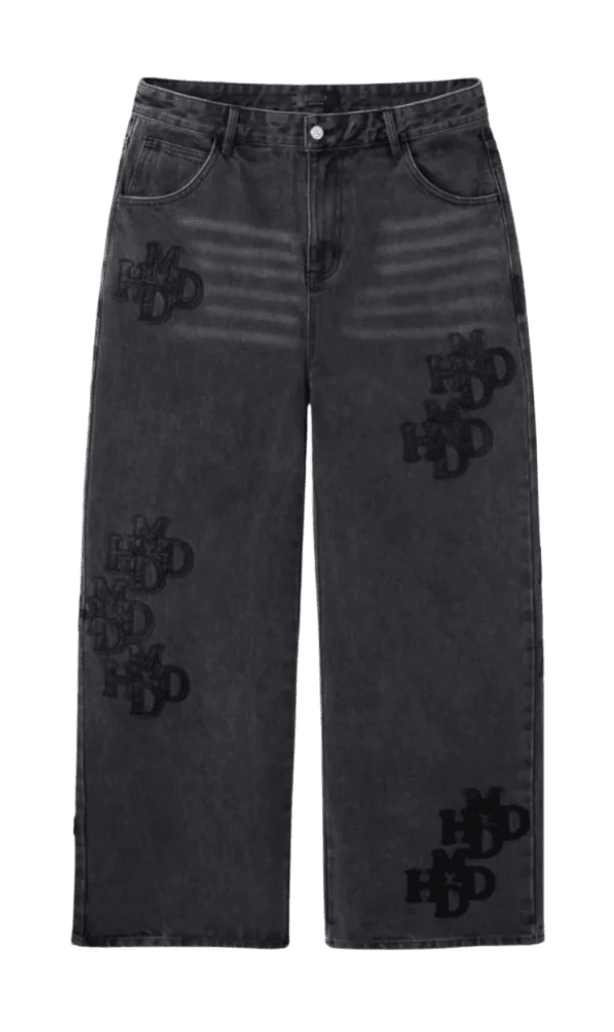
Think of it in terms of proportional balance. When the bottoms lack structure and sit loose, whatever you layer above has to counterbalance — either tighter or shorter — otherwise the entire look ends up shapeless. HMDD sweatpants typically narrow toward the ankle, which means you can layer a lengthier overshirt or an loose-fitting hoodie on top without the shape falling apart into shapeless fabric. The same logic https://hmdd-clothing.com/t-shirts/ applies to HMDD shorts in warmer months — a tidy hemline and even rise mean you can layer a light jacket or a button-down shirt over a tee without the bottom half fighting the top half for attention.
There’s a fabric-based case to be made as well: heavier fleece-weight sweatpants keep their fold and form more effectively than thin cotton-poly blends do, meaning both their look in photos and their day-long performance improve. That’s part of why hmddla has become shorthand in threads and comment sections for people zeroing in on its streetwear-oriented, LA-adjacent drops — in person the fabric’s weight and drape come across very differently than in a flat product shot, and once you feel it, the layering logic makes more sense.
Building Cold-Weather Layers Around HMDD Sweatpants
Treat the sweatpant as your anchor piece and stack upward in three tiers: a foundational tee, a mid-layer hoodie or crewneck, and a top jacket. Most cold-weather streetwear outfits rely on this three-layer framework, which succeeds because each piece has a clear role. The base tee regulates temperature close to the skin. The hoodie brings extra bulk along with a logo or graphic focal point. Whether it’s a shell, a denim trucker, or a coach jacket, the outer jacket shapes the silhouette when viewed from afar.
With HMDD sweatpants specifically, the slim-tapered shape means you can go heavier on top without looking top-heavy. Pairing a drop-shoulder hoodie with a mid-length puffer over HMDD sweatpants builds an intentionally oversized-top, fitted-bottom silhouette that’s been dominant in streetwear styling for several years running and isn’t fading anytime soon heading into 2026. The critical proportion to monitor is the hoodie’s length against the jacket’s — if your hoodie hem falls more than two or three inches below your jacket hem, the layering reads as sloppy rather than intentional. Tighten that gap and the entire outfit falls into place.
Color sequencing matters just as much as fit. Rather than switching between unconnected tones at every layer, a three-layer cold-weather fit built around HMDD sweatpants should typically transition from dark to light or vice versa, bottom to top. Charcoal sweatpants with a heather grey hoodie and black shell gives an intentional impression. Charcoal sweatpants matched with a bright graphic hoodie and an olive jacket looks unplanned, unless a clash-style look is the deliberate goal, which is its own separate styling approach.
Warm-Weather Layering Around HMDD Shorts
Layering shorts sounds counterintuitive until you separate “layering” from “adding bulk.” During warmer months, layering with HMDD shorts focuses on building visual depth while avoiding extra warmth — a light overshirt, an open short-sleeve button-down layered over a tank, or an unbuttoned mesh jersey worn atop a plain tee. Each of these adds a second textural plane to the outfit without trapping warmth against the body.
What matters most in shorts-based fits is keeping the eye moving vertically instead of letting it stop at the knee. An open outer piece with extra length — something that falls to the mid-thigh area or slightly higher than where the shorts end — creates continuity between the upper and lower portions of the fit instead of a jarring cutoff at the waist. This ranks among the most frequent missteps in warm-weather streetwear styling: a boxy, cropped tee paired with shorts and nothing else can look incomplete, while that identical pair of shorts paired with a marginally extended open shirt layered over the tee immediately looks resolved.
Footwear does a lot of work in shorts-based outfits too, more than most people realize. Because there’s more visible leg, the combination of sock length and shoe shape factor into the styling equation whether you intend it or not. Pairing a low-cut sock with a bulky sneaker stretches the leg visually; swapping in a crew sock with that same shoe compresses the leg visually. When putting together a look with HMDD shorts for a warmer month in 2026, the sock choice deserves treatment as a fourth layer, not something tacked on at the end.
Bringing Sweatpants and Shorts Into One Wardrobe System
Few people commit to just sweatpants or just shorts — most own both and need a simple method for deciding between them each morning without the daily debate. The most straightforward method is temperature banding: under a set temperature point, sweatpants; past that point, shorts, with a in-between band where either works depending on the way you’re layering up top.
A sensible threshold for the majority of climates looks like this: under 55°F, sweatpants are the go-to. In the 55°F-to-68°F range, it’s a coin flip based on activity level and the number of layers on your upper half. Above 68°F, shorts take over unless you’re specifically dressing for air conditioning or a cooldown in the evening. This isn’t a rigid rule, but it removes the daily back-and-forth and allows you to put your energy toward styling energy on the top-half layering instead of relitigating the bottom half every time you get dressed.
A second factor in mixing sweatpants and shorts into one wardrobe is color consistency. If your HMDD sweatpants and HMDD shorts share a similar palette — grey, black, and muted earth tones — your top-layer pieces become swappable between the two, which effectively doubles your outfit combinations without doubling your closet. It’s the same logic behind capsule wardrobes, and it applies just as well to a streetwear-oriented rotation as it does to a minimalist one.
Layering Strategies Compared Season by Season
| Weather Period | Foundation Layer | Mid Layer | Outermost Piece | Lower-Body Item |
|---|---|---|---|---|
| Winter | Long-sleeve tee | Heavyweight hoodie | Down puffer or shell piece | Sweatpants by HMDD |
| Spring | Short-sleeve tee | Thin crewneck | Denim jacket or coach jacket | Sweatpants by HMDD |
| Summer | Sleeveless top or tee | Loose short-sleeve shirt | Skip it or wear a mesh jersey | Shorts from HMDD |
| Fall | Tee | Flannel shirt or overshirt | Light jacket | HMDD sweatpants or shorts |
Final Notes on Building a Cohesive Rotation
The people who ask about hmdd review threads before buying are typically trying to answer one question: is this a true foundational piece, or just a single-outfit item destined to disappear into the back of a drawer? Looking at the way the sweatpants and shorts are constructed, in truth, they’re built to be a supportive base layer for many top-half pairings, not a loud, attention-demanding statement piece. That’s a compliment, not a knock — the best foundation garments in any wardrobe are the ones you stop consciously thinking about because they just work.
If 2026 marks your first time shopping HMDD, avoid the temptation to purchase just one pair of sweatpants or shorts and stop there. Layering systems need at least two bottom options in different weights and two or three top layers that can rotate across them, and best HMDD clothing picks tend to be the pieces that play well with items you already own rather than the loudest item in the lineup. Start simple: a neutral sweatpant, a neutral short, two or three top-layer combos for each, then let the rotation naturally expand — happy memories don’t die, and neither does a wardrobe system that actually gets worn instead of admired on a hanger.
Vintage Tory Burch Style Handcrafted Detailing
Tory Burch Sizes Explained: How to Pick Shoes and Clothing Right First Time
Sizing is the most common reason a Tory Burch order gets returned, and nearly all of it can be headed off. No public fit philosophy is published by the brand, so every point here is based on what buyers report time and again. That distinction matters: these are buyer observations from reviews and forum threads, not the brand’s own official measurements. Prices are given as reference points, and each is an observed market price, seen on live US retail listings in September 2026. No fixed price list comes from the company, and the figures move with season, material and market conditions. One simple objective sits behind all of it: make the first pair or the first dress the right one so that you never pay for return postage again.
Why this brand is trickier to size than it appears
Two separate issues muddy the picture. Start with the lasts, since the footwear is built on a number of different lasts, and a size that fits in a sandal may well fail in a loafer. The second is naming, because Romy, Kira, Eleanor and Charlie each label shoes and bags alike, so the names cross categories. A name-only search will therefore surface products whose https://torystore.org/ fit has nothing in common. Then ready-to-wear piles on a third problem, since knitwear, denim and tailoring do not run alike. The most useful habit is to size each category separately rather than fixing on one number for the whole brand.
Shoes: the pattern buyers report across the line
The most repeated observation is that the footwear comes up narrow. That holds across sandals, flats, loafers and closed styles, and it is the first factor to plan around. Buyers also say, almost as often, that many styles read a little short in length. The standard advice for anyone between sizes is half a size up, and the brand’s own product guidance has said much the same for its best-known sandal. The question behind most searches for tory burch shoes is exactly this one, and the honest answer is that it varies by style. Here, width, instep height and vamp depth count for more than they do at a brand built on a single last.
Miller sandal and Miller Cloud, explained
The Miller is the gateway product and the shoe whose sizing gets discussed most. Buyers commonly report that it sits slightly small and distinctly narrow at its observed $200, and half a size up is the advice you see most. A wide width is offered for the Miller, so it becomes one of the safer choices for a broader foot. The Miller Cloud is not a separate franchise but a cushioned variant of the same shoe, pairing a moulded footbed with a dual-density core of foam. The footbed alters how the foot sits, and buyers who sized up in the original sometimes report the Cloud comes closer to true. Observed pricing sat at $225 for the Miller Cloud Sandal and $150 for the Miller Cloud Light.
Reva ballet flat: the original and the relaunch
The Reva ballet flat is named for the founder’s mother, Reva Robinson, and carries a history worth knowing. Paused in 2017 and relaunched in 2025, it leaves buyers comparing two different shoes under one name. Reports describe the relaunch as a redesign, with a broader, rounder toe, an enlarged logo plate, a narrower opening colour range and a mule option. The price moved sharply too, reported at roughly $330 to $350 against the original $195. Reports on the older Reva are mixed, with a portion of buyers calling it true to size and many going half a size up, though the consistent complaint is that it is narrow through the toe box and shallow through the vamp. Anyone shopping resale should check which generation a listing shows, since the two fit differently.
Slides, loafers, sneakers and boots
As the pared-back alternative to the Miller, Ines slides are spelled without an accent in brand usage. Observed pricing put the Ines Slide at $225 and the single-band version at $250, with a wide version of the slide available. For loafers the observed figures were $325 across the classic, ruched and LeeLee styles, with the tassel version at $375. Buyers commonly report loafers as closer to true, though still narrow, with no room for thick socks at the true size. Sneakers were observed at $250 for the Field and ballet shapes and $300 for the trainers, and they are the most forgiving group. Boots need a second decision beyond length, because a Romy Chelsea Boot at an observed $395 still has to take winter socks, while tall shafts introduce calf width as a third variable.
If you have wide feet
No group is disappointed more often, and there is little value in softening it. In long-running buyer threads the report is consistent: the footwear skews narrow across the entire line, not just in the odd style. Sizing up buys length first and width later, so a shoe can be too long and too tight together. Wide options are named where they exist, including a wide width for the Miller and a wide version of the Ines Slide. Those are the styles to start with, and open shapes will always be kinder than closed ones. The ballet flats attract the least encouraging reports, since a shallow vamp will not yield to sizing up.
Measure first, order after
Five minutes and a ruler will stop most returns before they start. Measure at the end of the day, when feet are largest, and measure both feet because they usually differ. Write down the length in centimetres along with the widest point across the ball of the foot. Tall boots need calf circumference at its widest, plus a note on whether you wear them over denim. For the clothing, measure bust, waist and hip over the underwear you will genuinely have on. Keep those numbers somewhere findable and compare them against the guidance on each product page rather than against a remembered size.
- Foot length in centimetres, both feet, measured late in the day
- Widest width across the ball of the foot
- Calf circumference for any tall boot
- Bust, waist and hip measurements for ready-to-wear
Clothing: what the ready-to-wear does on the body
Ready-to-wear covers dresses, tops, knitwear, skirts, denim, outerwear and swim. Tailoring is commonly reported as close to standard American sizing, with a cut through the body that is slim, not boxy. The most variable group is knitwear, given that a merino turtleneck observed at $420 and a jacquard cardigan observed at $550 are built to entirely different intentions. Denim is handled in-house, with a slim-leg jean observed at $350 and a wide-leg at $395; buyers report ordering their usual size. The most fit comments land on dresses, above all the fluid viscose jersey styles observed around $550, which drape rather than hold structure. Swim is reported to run small in the way most swimwear does, and separates give the easier path to a fit.
A quick reference
Everything above is condensed into a single view in the table below. Every line describes what buyers report rather than anything the brand states. Read the right-hand column as a starting position, then check it against your own measurements. Where a style offers a wide option, that will always beat sizing up as a solution. If the report says shallow rather than merely narrow, sizing up will not help. Consult it before ordering, not after the parcel arrives.
| Style | What buyers commonly report | What to do about it |
|---|---|---|
| The Miller flat | A touch small and narrow | Half a size up, else the wide width |
| Miller Cloud, the cushioned variant | A cushioned footbed alters the fit | Think true to size |
| Reva, the original version | Narrow toe box, shallow vamp | Half a size up, avoid if wide |
| Reva, relaunched in 2025 | Wider, rounder toe reported | Try a pair rather than assuming the old size |
| Ines, the pared-back slide | Narrow across the band | Wide version wherever it exists |
| Loafers | Close to true but narrow | Allow for socks or size up |
| Ankle boots | True in length, with little sock room | Half a size up for winter |
| Tall boots, riding shapes included | Calf width, not length, is the constraint | Measure the calf first |
| The knitwear and denim | Near usual sizing with a slim cut | Order your usual size |
Buying without a fitting room
Sizing risk rises sharply once you leave full-price retail. Anything bought in a tory burch sale event is frequently marked final sale, and that removes the exchange that would otherwise put a fit error right. A physical tory burch outlet store sits at the other end of the scale and makes the best setting for a first purchase, because several sizes can be tried in one visit. Nordstrom Rack and TJ Maxx also let you try before buying, and both carry the brand. For fit, resale is the highest-risk channel, because listings often show a size without saying which generation of a style it is. Rather than trusting the marked size, ask a resale seller for the insole length in centimetres.
Valetino Roman Style Valentino Boutique
Rockstud versus Rockstud Spike: Which One Belongs in Your Wardrobe
Two ranges sit on the same shelf carrying the same pyramid stud, and choosing between them costs somewhere between one thousand and two thousand dollars. Stated plainly, the Rockstud and Rockstud Spike question comes down to that, which is why so many buyers stall halfway through the decision. They look related because they are related, but they behave differently in the hand, in the wardrobe and on the resale market. One is the everyday line and the other the evening one, and the price gap between them is not decorative. This comparison weighs them on what actually decides the outcome: what each costs at observed 2026 market prices, what materials each uses, what formats exist, and which survives contact with an ordinary week. What follows is taken from what is currently live: both lines remain in the brand’s own bag filters in September 2026.
One motif divided into two tiers
What unites them comes first, given that it is why the comparison exists. The flat pyramid stud anchors both, and it has become the most recognisable hardware in the house’s leather goods; both lines are current rather than archival. Where they part company is tier. Rockstud holds the entry and lower-middle band, $1,250 to $2,100 at observed valentino shopping bag 2026 market prices; Rockstud Spike sits a full step above, at $2,400 to $3,700. Studs are not what the gap measures; materials, size and how dressed-up each line is asked to be account for it. Think of Rockstud as the motif in daylight and Rockstud Spike as the motif in the evening, and most other differences make sense.
Where the studs came from
It was in Fall 2010 that the pyramid stud arrived, introduced by Maria Grazia Chiuri and Pierpaolo Piccioli during their period as co-creative directors of the house. The motif’s proportions follow once you know it began on footwear rather than handbags: the studs were designed to catch light on a curved surface before migrating onto flat leather panels. The design reference cited is bugnato rustication, the rough-cut stonework on Renaissance palazzo façades in Rome, fitting for a house whose creative headquarters is Roman. One piece of chronology often gets muddled online: the motif appeared three years after Valentino Garavani retired from design in 2007, so the studs were never his work, and he died in January 2026 having had no ownership of the company since 1998. The year the Rockstud bag launched is repeated widely though it rests on a single source, so treat any confident date with suspicion. Creative direction has been led by Alessandro Michele since 2024, and both stud lines carrying through that transition intact.
Rockstud in 2026: the line that works for a living
Broader and more practical of the two, Rockstud offers roughly fifty-two pieces observed live on the brand’s own site. Hard-wearing is the direction of the material palette; grainy calfskin anchors it, and suede, raffia, laminated calfskin and pony-effect calfskin fill out the seasonal edges. The formats are everyday formats, and that, in the end, is the real argument for this line. The mini shopping tote is $1,390 in grainy calfskin or suede, $1,490 in raffia, $1,750 laminated and $1,850 in pony-effect. A small valentino crossbody bag in grainy calfskin sits between $1,650 and $1,950, with the laminated version at $1,790, and a small valentino shoulder bag hits $1,950 in suede and $2,100 in grainy calfskin. A laminated calfskin wallet at $1,250 marks the floor, the cheapest way into the motif outside the clutches.
Rockstud Spike in 2026, the dressed-up sibling
A different part of the week is what Rockstud Spike is aimed at, and it is narrower, softer and more expensive for it. The observed palette departs from the grainy calfskin of the base line for nappa, suede, kidskin and embroidered nappa, all more supple and less forgiving of scuffs. What drives the pricing is materials rather than studs. It starts at a crossbody clutch at $2,400, with a small suede at $2,550 and a small nappa at $2,800, while medium sizes run from $2,750 to $3,200 in suede, $2,950 in kidskin and $3,500 in nappa, a medium embroidered nappa topping out at $3,700. Take that last figure as a signal: embroidery is where the line starts behaving like the top of the range rather than its commercial core. Because choice is thinner here than on the base line, the piece you want may simply not exist in the material you want.
Head to head on the numbers
Place the two lines against each other and the pattern is clean rather than subtle. A $300 gap divides the top of one from the bottom of the other, so the whole of the Rockstud range fits underneath the starting price of Rockstud Spike. The materials say it differently: one palette is chosen for wear, the other for drape. A tote and a wallet come with the base line and not with the Spike; the Spike, for its part, offers a crossbody clutch that reads as evening. The figures below are observed 2026 market prices on the brand’s own United States site, not an official price list, and they move with material and season. The table is a map of where the two lines overlap, and that is barely anywhere.
| Point of difference | Rockstud | Rockstud Spike |
|---|---|---|
| Observed 2026 range, US | $1,250 to $2,100 | $2,400 to $3,700 |
| Lowest observed piece | Laminated calfskin wallet, $1,250 | Crossbody clutch, $2,400 |
| Priciest piece observed | Small shoulder in grainy calfskin, $2,100 | Medium embroidered nappa, $3,700 |
| Materials seen | Grainy calfskin, suede, laminated calfskin, pony-effect, raffia | Suede, kidskin, nappa, embroidered nappa |
| Formats observed | Mini shopping tote, small shoulder, small crossbody, wallet | Small shoulder, medium shoulder, crossbody clutch |
| Range of choice | Around fifty-two pieces live | Considerably narrower |
Matching the line to your week
What decides the decision is usually frequency of use, not taste. For a bag that goes to work, holds a phone and a wallet and survives rain twice a month, the grainy calfskin Rockstud is the sane answer, with the mini shopping tote as its most useful shape. For dinners, events and the evenings where you carry almost nothing, the Spike’s nappa and suede provide a softer body and a richer surface, and the crossbody clutch is the format that earns its keep. Colour is another difference: suede and nappa hold saturated tones in a way grainy calfskin does not. There is also a navigation quirk worth knowing: the brand’s own United States site has no crossbody category page, listing bags instead under shoulder bags, totes, top handle bags, clutches, wallets and small leather goods. That means searching for a valentino crossbody bag on the house’s own site works better as a filter by size than as a category, even though most major retailers do maintain crossbody pages.
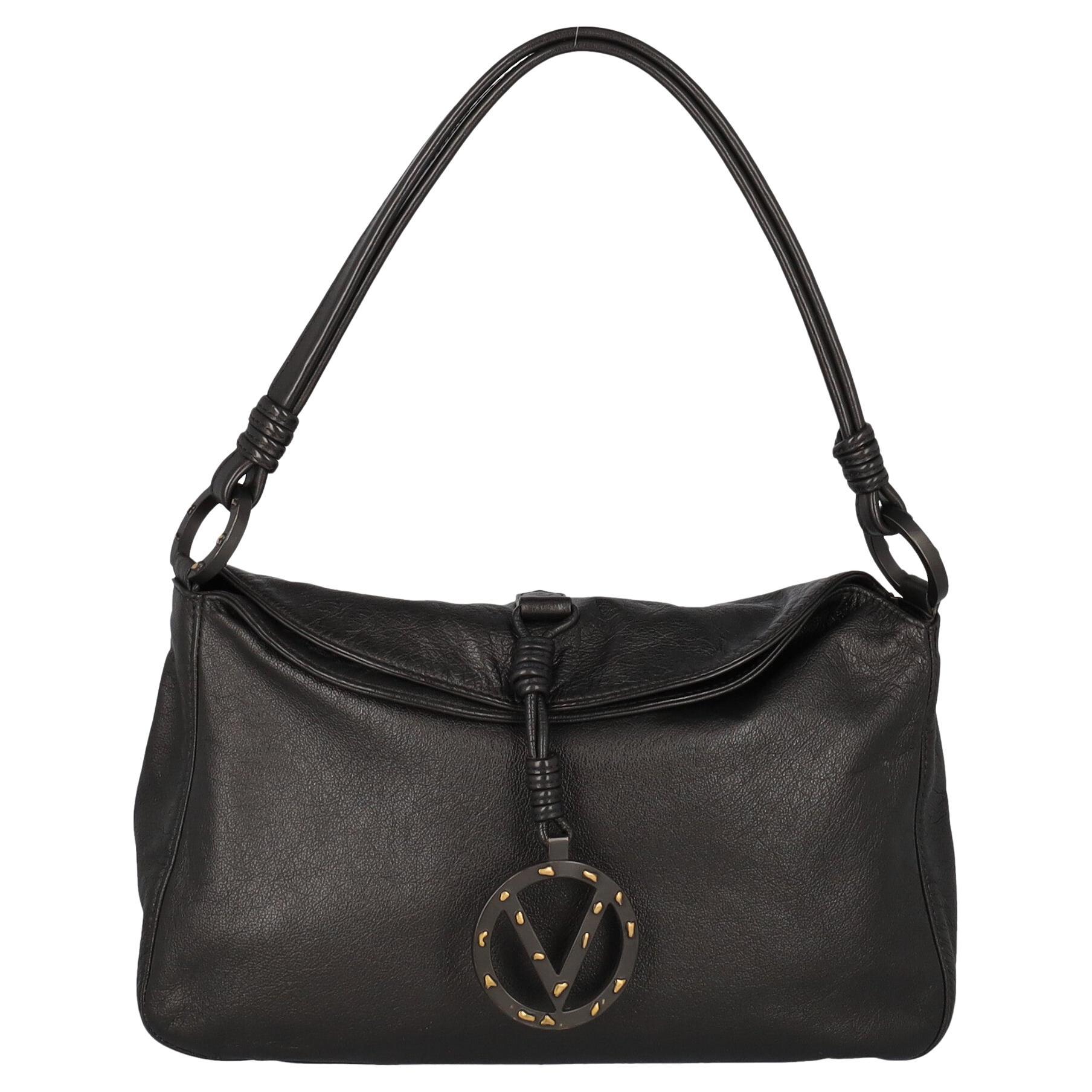
What the resale market says about each
Neither line should be bought as an asset, and the numbers say so plainly rather than offering encouragement. One major resale platform put Valentino handbags across the house at roughly 41 per cent of retail in 2023: mid-tier, and well below the strongest names. Better than that average are the motif bags, and that is the useful part for anyone weighing these two. That platform’s observed retention lists a Rockstud drawstring bucket at about 56 per cent, a Rockstud flip lock flap at about 56 per cent and a Rockstud pouch crossbody at about 50 per cent. The Spike offers a single illustrative data point rather than a dataset: a medium example observed at roughly $1,700 second-hand against roughly $2,900 new, near 59 per cent but resting on one listing and not to be generalised. Practically speaking, recognisability retains value here, so both lines resell better than the quieter valentino bags, and the base line costs less to be wrong about.
The bottom line
Choose Rockstud if this is your first valentino garavani bag or your only one. It is the cheaper line, the broader one, made in materials that tolerate daily handling, and it carries the two formats most people reach for: a tote and a wallet. Rockstud Spike makes sense if you already own something from the house, want the motif in a softer material, and will use the bag in the evening rather than on a commute. Avoid buying the Spike in the hope of the base line’s durability, or the base line in the hope of the Spike’s drape; the material difference is the whole point of the price gap. Where the budget stretches either way and you remain undecided, the difference is better spent on colour and material within the base line than on the tier above. That single move tends to produce a bag people wear more, and wear is the only performance metric that survives contact with a wardrobe.
Structured Leather Totes Ferragamo Leather Tote
Exploring Ferragamo house’s Joint Projects — Standout Partnerships and Exclusive Capsule Drops
Salvatore Ferragamo has built its name on craftsmanship rooted in Florence, but the house has never treated collaboration as a departure from tradition. Instead, partnerships have become a way to test new silhouettes, materials, and cultural references while keeping the codes that make a Ferragamo bag recognizable at a glance. From the Gancini clasp to the leather-wrapped heel, these signatures reappear in collaborative work, reinterpreted rather than replaced. For anyone browsing a Ferragamo shop today, understanding these joint projects helps explain why certain pieces command higher resale value and why some limited editions sell out within days of release.
Throughout this piece, the standout collaborations in the brand’s latest chapter are covered, along with their meaning for collectors and how they fit into a more complete Ferragamo bags overview built for shoppers trying to decide where to invest in 2026.
The Motivation Behind Ferragamo’s Approach to Collaborations
Every major fashion house eventually faces the same question: how does one keep from fading into irrelevance without weakening a century of identity? Ferragamo’s answer has been selective partnership rather than mass licensing. That founding date of 1927 remains a source of leverage for the brand — a collaborator gains instant credibility, while Ferragamo opens the door to fresh customer bases, particularly younger buyers who might otherwise overlook a heritage label in favor of streetwear-adjacent names.
These limited drops are typically capped in quantity, commonly reaching in the low thousands of units globally, which holds aftermarket pricing on the higher side. A jointly-designed Ferragamo bag seldom returns to shelves once gone, as opposed to mainline styles that continue to be offered for multiple seasons. This scarcity is deliberate. Because of this, a handbag purchase becomes almost an occasion in itself, prompting faithful Ferragamo shop customers to return often for new arrivals rather than confining their shopping to sale periods alone.
A design research angle is also part of the picture. Collaborating designers offer expertise the house’s internal team isn’t always stocked with — advanced textile know-how, an alternative palette sensibility, or construction approaches borrowed from neighboring fields. What comes of it tends to be a cross-bred design: a Ferragamo bag featuring a surprising material, or a sportswear-inspired shoe shape crafted using the house’s classic Florentine leather techniques.
Cross-Sector Collaborations of Note
Ferragamo’s roster of collaborations reaches into automotive design houses, contemporary artists, and assorted fashion labels. One recurring theme is the reinterpretation of archival pieces — collaborators are granted access to the brand’s archival collection, home to tens of thousands of shoe lasts and sketches dating back to the founder’s early work in Hollywood during the 1920s and 1930s. By reworking these archives into modern bags, the collaboration remains anchored in authenticity instead of chasing fleeting trends.
Music and entertainment tie-ins have also played a role, with focused capsule lines coordinated with major cultural moments or film launches. Rather than complete ready-to-wear ranges, it’s accessories that these capsules tend to prioritize, because a limited-edition Ferragamo bag is simpler to manufacture in limited quantities and easier for the customer to justify as a single splurge purchase than refreshing a whole wardrobe.
Creative-partner projects, on the other hand, have layered painted-on or printed patterns onto time-tested bag silhouettes. Rather than reshaping a bestselling silhouette’s construction, such projects typically shift only the exterior treatment: a novel motif, an embroidered section, or a color-blocked strap detail. This approach protects the integrity of proven bestsellers while still offering something visually distinct for collectors who already own the standard version.
Collaborations and the Impact on the Ferragamo Bags Overview
For customers seeking clarity on today’s collection, partnerships add complexity to what had formerly been a fairly straightforward catalog. A short while back, a Ferragamo bags overview might have included four or five essential categories — the Gancini-clasp totes, structured top-handles, slouchy hobo-style bags, and nighttime clutches. In the present, special-run pieces cut across every one of these groups, so that a single silhouette might come in an ongoing offering, a seasonal hue, and a numbered collaborative edition at the same time.
For anyone weighing up salvatore ferragamo bags before committing to a purchase, this structural distinction is significant. A signature staple bought directly from a Ferragamo shop will as a rule keep its price steady over time but doesn’t always appreciate. An item born from a partnership, most notably one linked with a recognisable outside name, can move differently on the resale market, sometimes trading above its original retail price within the first year if the run was limited enough.
First-time shoppers’ way of engaging with the brand also shifts because of this. Someone searching for their first salvatore bag might now come across a limited-edition piece ahead of ever seeing the standard catalog version, just because collaborations drive more press coverage and social media attention. This doesn’t have to be a bad thing, but it still means shoppers should understand which pieces are ongoing mainstays and which are limited drops before going through with a purchase.
A Breakdown of Collaboration Formats
Not each Ferragamo collaboration runs on the same approach. Some projects focus on exclusivity and limited output, whereas other lines chase broader reach without giving up the special-edition tag. The table below maps out the overarching classifications seen across the brand’s collaborative history, useful for anyone weighing a buy against lasting worth.
| Collaboration Type | Typical Production Scale | How Value Moves Across Years | Well-Suited For |
|---|---|---|---|
| Vintage-inspired reissues | Often a narrow batch, rarely exceeding 2,000 pieces | Remains stable or climbs slightly | Those drawn to historic design elements |
| Artist-designed mini collections | Moderate, seasonal run | Consistent pricing, with occasional resale premiums | Buyers wanting a distinctive look |
| Film or show crossovers | Extremely scarce, synced with launch periods | Secondary values swing dramatically | Those passionate about a specific moment |
| Cross-brand fashion partnerships | Small to moderate | Strongest long-term demand | Shoppers seeking top ferragamo bags for investment |
These comparisons aren’t complete, but it gives a working framework. Cross-label partnerships typically generate the most long-lasting interest because they blend two established design languages rather than leaning on a single cultural moment that can lose steam.
Pinpointing the Best Ferragamo Bags Within Collaborative Lines
Whenever shoppers wonder which pieces count as the best ferragamo bags from collaborative lines, a few criteria repeatedly matter more than hype. First off, consider material quality — even a tightly-produced run, Ferragamo rarely cuts corners with leather sourcing or hardware detailing, so a bag that feels lightweight or poorly stitched is probably an uncommon slip-up instead of standard practice. Second, consider whether the design references the brand’s actual history or simply slaps a logo onto an existing shape; the former tends to age better both stylistically and financially.
It’s worth reviewing production figures when they’re shared — a globally scarce collaboration, capped at a few hundred pieces, will perform quite distinctly in secondary sales versus one made in the thousands. Fourth, weigh versatility — some limited editions are so directly tied to a specific collaborator’s aesthetic that they’re hard to style outside that context, while others blend more easily into daily wear.
Among top ferragamo bags from recent collaborative efforts, the ones that see the most regular use tend to be tailored top-handle bags and mid-size totes instead of evening bags loaded with embellishment. Practicality still wins for most buyers, even when they’re paying a premium for a scarce, limited-run piece. Keep this in mind before pursuing the most visually dramatic piece in a given capsule collection.
Smart Ways of Shopping Collaborations in 2026
In step with rising collaboration hype, the counterfeit market has grown, and it’s important to be upfront about this directly. Searches for “ferregamo” misspellings often lead to third-party sites selling replicas, especially for limited editions that Purchasing directly via an authorized Ferragamo shop, or through retailers with verified partnership status, remains the safest way to guarantee authenticity — particularly for pieces anticipated to hold resale value.
Paperwork matters more with collaborative pieces than with regular stock. Verification cards, dust bags, and the original box and wrapping tend to be more refined for restricted-quantity pieces, and lacking these extras can meaningfully impact resale value later. Should you buy used, request zoomed-in images of hardware stamps and stitching before closing the deal, since these details are typically the earliest features fakes get wrong.
Going forward, Ferragamo continues undeterred in its partnership releases. More archive-driven reissues alongside the odd unexpected cross-sector collaborations can be expected, as the brand keeps recalibrating its image for a younger and more globally linked audience. For collectors curating carefully rather than running after every release, the smartest approach is patience: give the excitement time to cool, compare production numbers, and pick works that fit both individual taste and the day-to-day realities of holding onto it over time.
Y2K Street Sweatsuit Real Godspeed NYC Clothing
Godspeed vs God Speed: One Word or Two, and Why?
A farewell card, a mission caption, a product description: whatever you are working on, the cursor pauses between two letters. Should it be “Godspeed” or “God speed”? Both forms come across as defensible, both surface results, and serious writers have chosen each of them across six hundred years of English. Put simply, modern standard usage calls for one word, but the two-word form is not a typo and never was. Understanding why means looking at how the phrase came together, when it fused, and what happened to its two halves along the way. What follows disposes of the spelling question first, then unpacks the history that keeps the second form so stubbornly alive.
The Answer First
One word is the answer: Godspeed. The term is entered under that solid headword in every major modern dictionary, and Merriam-Webster’s definition, a wish for success given to a person on parting, sits with it. Capitalisation is the norm in American usage, yet lowercase godspeed is equally attested and carries no different meaning. Historically the two-word “God speed” is genuine, but the modern ear hears it as archaic or biblical, so in most contexts it will look like a mistake even when it is not. The hyphenated “God-speed” was common in older printing and has quietly died out. What follows is the reasoning behind that one-line ruling, plus the narrow cases where two words are still correct.
Round One: The Question of Age
The two-word form came first, by a wide margin. godsspeed The phrase began as Middle English “God spede”, itself an elliptical version of “God spede you”, meaning may God cause you to prosper. Roughly 1250 to 1300 is where American dictionary databases place that Middle English origin, back when the words still behaved as an ordinary clause with a subject and a verb. Etymonline records a citation from around 1300, “He may bidde god me spede”, showing the construction still alive and still flexible enough to take an object in the middle. The one-word spelling appears considerably later, with Etymonline recording the fused form from the late 14th century. The scoreboard for age therefore reads: two words, by a century or more.
Round Two: What Modern Dictionaries Recognise
The reference shelf has consolidated firmly around the one-word form. The headword at Merriam-Webster is Godspeed, and the first known use is given as the 15th century. Wiktionary files the term primarily as an interjection and labels the register literary, which tells you as much about tone as about spelling. American entries class it as a noun while British ones class it as an interjection, a split affecting sentence construction rather than spelling. None of the standard modern entries treat “God speed” as the main form, and where it appears at all it is flagged as historical or biblical. Below, the table lists every variant you are likely to meet and the status attached to it.
| Form | Where it stands today | Where you see it |
|---|---|---|
| Godspeed | Standard, and dominant in US usage | Dictionaries, news writing, speeches |
| godspeed | Standard, lowercase variant | Casual prose, fiction, brand copy |
| God speed | Archaic but genuine | King James Bible, earlier literature |
| God-speed | An obsolete printing convention | 19th-century printing |
| good speed | Old confusion, not standard | Manuscript history, present-day slips |
| God’s speed | Folk respelling; simply wrong | Greeting cards, search bars |
Round Three: Where the Meanings Part Company
The contest is really decided here, in the round almost nobody knows about. The two-word “God speed” survives most visibly in the King James Bible at 2 John 1:10-11, in which the reader is warned not to bid a false teacher God speed, since whoever bids him God speed shares in his evil deeds. The phrase in that passage translates a Greek word of greeting, functioning as a welcome to someone arriving and not as a farewell to someone leaving. Modern translations render it plainly as “greeting” or “welcome”, which is precisely why the older wording now sounds so alien. What the two-word form carries, then, is the reverse of the modern single word: hello rather than goodbye. Write “God speed” when you mean a send-off and you are borrowing a phrase whose most famous appearance points the other way.
Round Four: Capital G or Lowercase?

Capitalisation matters least here, and it attracts the most opinion. Dictionaries attest both Godspeed and godspeed, and neither spelling says anything about whether the writer is religious or secular. American style tilts towards the capital for two reasons: the first element is transparently the word God, and dictionaries list it that way. Lowercase turns up more in casual prose, fiction and brand copy, where the word does atmospheric work rather than delivering a blessing. One practical argument favours the capital: it signals a compound with a proper noun inside it, which quietly heads off the “good speed” misreading. Beyond that, pick a form and stay consistent inside a single document.
The Spellings That Are Simply Wrong
A handful of variants have no standing at all, and they cluster around two misunderstandings. The first is the assumption that the phrase contains a possessive, which produces “God’s speed” and its apostrophe-free cousin “gods speed”. No possessive ever belonged to the standard form, because the original was a verb clause rather than a noun phrase; God is the subject doing the speeding, not the owner of some speed. The second misunderstanding is phonetic, giving spellings such as “godspead” that follow the sound instead of the history. “Good speed” sits in a stranger middle ground, because it is an error today yet descends from a real medieval confusion, God and good having been spelled alike and mixed up on the page. A final error is grammatical: treating godspeed as a transitive verb, as though you could godspeed somebody on their way.
- God’s speed: a possessive that was never there.
- gods speed: the same error with the apostrophe missing.
- godspead: a spelling by ear, with no historical basis.
- good speed: a real medieval mix-up, and still wrong today.
Why “God Speed” Will Not Die
Three forces keep the two-word form alive in circulation. The first is scripture: the King James phrasing is still read aloud and still quoted, which keeps the older shape audible to people who have never opened an etymological dictionary. The second is how the word sounds now, because the everyday meaning of speed pulls readers towards velocity, and a space between the words makes that misreading easier to fall into. Often typed with a space is Scott Carpenter’s line at the launch of Friendship 7 on 20 February 1962, “Godspeed, John Glenn”, because people half-remember it as a wish about going fast, yet the sense is prosperity and the word predates the flight by five centuries. The third force is commerce, because shoppers hunting a New York streetwear label type god speed clothing and godspeed shirts in comparable volumes, and search engines cheerfully serve both. That last pattern deserves a closer look, because a brand whose name is one word is routinely searched as two.
One Word on the Tag, Two in the Search Box
GODSPEED NEW YORK writes its name as one word in all capitals, and it is commonly shortened to Godspeed or GODSPEED NYC. The label publishes no origin story, and its own About page is placeholder text, so the founder narratives circulating on unofficial lookalike sites should be treated as noise. The documented part is the product line: godspeed shirts, a godspeed hoodie in pullover and zip versions, sweatsuits, denim, varsity jackets, headwear, belts and watches, made with puff print, embroidery and garment washes. Working from 2026 market estimates, shirts were seen between $128 and $200 and hoodies between roughly $200 and $270, while certain varsity jackets were released in numbered runs of 200 units. A separate American company, Godspeed Co., makes garage and motorcycle goods and has nothing to do with the New York label, though retailers have confused the two in print. Whether you are spelling or searching, the lesson does not change: the standard form is one word, and everything else is a variant with its own history.
The Practical Rule for Writers
Make Godspeed your default, one word, capital G, and you will be right in nearly every context you encounter. Reserve it for a real threshold: the word takes its force from the moment of departure and sounds hollow anywhere else. Save the two-word “God speed” for direct quotation of older texts, especially scripture, since changing the spelling would misquote the source. Never add an apostrophe, and never let “good speed” slip through, however plausible it looks on screen. Bear in mind that success, not velocity, is the sense, and that is exactly why the word fits someone walking slowly into an operating theatre as neatly as it fits an astronaut. Get those five things right and the spelling question stops being a question at all.
Urban Fashion Shirt New Collection
Palm Angels Sweatpants Outfit Inspiration for Men and Women
Palm Angels sweatpants have developed from subcultural skate culture bottoms into one of the most popular designer streetwear garments on the market. Founded by Francesco Ragazzi in 2015, the Italian brand provides an unmistakable fusion of Los Angeles skateboard spirit and Milan couture finesse to every pair of track pants that emerges from its production line. In 2026, Palm Angels joggers and sweatpants stay a prevailing force in the athletic-luxury scene, with resale values averaging 40 to 60 percent above retail for limited-edition colorways. Whether you prefer the renowned side-stripe track pant or the relaxed cotton fleece jogger, the brand offers both men and women a canvas for self-expression that connects ease and fashion. This breakdown covers outfit ideas, styling strategies, and coordination tips that will empower you squeeze the most from your Palm Angels sweatpants. From weekend brunch looks to jet-set looks, you will find actionable direction that functions across seasons and body types.
Why Palm Angels Sweatpants Earn a Spot in Your Rotation
The high-end streetwear market reached an approximate $185 billion globally in 2025, and Palm Angels ranks comfortably among the leading brands driving that growth. What sets Palm Angels sweatpants different is the thorough commitment to build details like strengthened seams, dense cotton blends, and iconic side-panel graphics that instantly telegraph brand identity. A single pair usually retails between $400 and $700, putting them in the accessible-luxury tier where workmanship supports the investment. The Spring/Summer 2026 collection released new muted-color joggers alongside timeless black-and-white palettes for purists and bold dressers alike. Celebrities like A$AP Rocky, Hailey Bieber, and Lewis Hamilton have been captured wearing Palm Angels sweatpants in both informal and elevated contexts, demonstrating their adaptability. Comfort-wise, the French terry and brushed fleece interiors keep the feel plush while the structured silhouette avoids the slouchy look that affects cheaper alternatives.
Look Inspiration for Men: Transforming the Everyday
Easygoing Saturday Look
Open with Palm Angels signature track pants in black featuring the recognizable white side stripe. Pair view here them with a plain oversized white T-shirt to let the pants do the talking, and wrap up with Nike Air Force 1 sneakers or New Balance 550s for a polished silhouette. Incorporate a compact crossbody bag from the same collection for brand consistency, or pick a muted canvas tote for a more laid-back vibe. A lightweight bomber jacket in olive or navy introduces a third layer if temperatures decrease, forming a cohesive color story. Accessorize with minimal chain jewelry and a sharp baseball cap to nail the easy weekend warrior look that takes over street style feeds in 2026. This combination hits perfectly for Saturday errands, coffee runs, or low-key meetups where you wish to look polished without coming across as overdressed.
Smart-Casual Mix
Palm Angels’ structured joggers with an elastic cuff pair impressively well with tailored pieces for a smart-casual direction. Try a snug black turtleneck tucked slightly into the waistband, allowing the elastic settle naturally at your waist for a streamlined profile. Switch sneakers for Chelsea boots in black leather or suede to shift the outfit toward a semi-formal register. A sharp overcoat in camel or charcoal draped over the shoulders contributes an high-fashion touch for gallery openings or design-world meetings. The secret is keeping the color palette restrained—no more than three tones—so the sweatpants look as purposeful rather than careless. A fine wristwatch provides finishing sophistication while the elastic waistband takes care of function without demanding a belt. This outfit shows that luxury sweatpants and polished style harmonize when dimensions and textures are thoughtfully balanced.
Streetwear Go-Big Enthusiast
For those who think more is more, Palm Angels sweatpants serve as the ideal canvas for a layered streetwear statement. Mix logo-print joggers with a graphic hoodie and layer on a puffer vest for dimension. High-top sneakers such as Jordan 1 Retros tie the athletic theme together across the full outfit. The streetwear vibe in 2026 favors vibrant palettes, so pairing purple sweatpants with a lime-green hoodie is totally acceptable if you pull it with swagger. Accessories should be similarly statement-making: thick rings, multiple chains, and statement sunglasses all contribute to maximum effect. A snapback or bucket hat rounds out the headwear while protecting the sun off your face during outdoor events. This maximalist approach is designed for music festivals, sneaker conventions, and any occasion where individual style is the main attraction.
Look Inspiration for Women: Wearability Meets Style
Athleisure Elegance
Women’s Palm Angels sweatpants in body-skimming cuts produce a attractive silhouette that matches perfectly with short tops and snug bodysuits. A fine-knit white bodysuit tucked into elevated-waist joggers delivers a polished, lengthened look that moves from Pilates class to post-workout lunch seamlessly. Add substantial white sneakers like Alexander McQueen Oversized trainers or Palm Angels’ own platform models to boost height and hold onto the luxury lane. A firm mini handbag in cherry red or electric blue provides a pop that breaks up the monochrome base. Statement hoop earrings and a clean ponytail maintain focus on the outfit without drowning out overall proportion. This athleisure-forward look has become one of the most captured street style pairings at fashion weeks throughout 2026. The essential tip is verifying every piece sits precisely, because athleisure sophistication hinges on silhouette accuracy.
Relaxed Elegant Ensemble
Palm Angels sweatpants aren’t required to lean sporty; they can support a more delicate, more feminine outfit when matched with the right counterparts. Try pairing wide-leg joggers with a silk camisole in blush or champagne for a material contrast that reads sumptuous and breezy. Delicate heeled sandals or pointed-toe mules transform the look substantially, transforming loungewear into a romantic-dinner possibility. A tailored blazer draped over the shoulders gives an hourglass look and structure to the outfit’s relaxed lower half. Fine layered necklaces and a evening bag complete this ensemble beautifully. This ensemble is excellent for rooftop dinners, art gallery visits, or any event where you need comfort without abandoning polish. It demonstrates that Palm Angels’ design language accommodates looks way outside the skateboard park.
Season-by-Season Fashion Guide for Palm Angels Sweatpants
| Season | Recommended Fabric | Top Pairing | Footwear | Essential Accessory |
|---|---|---|---|---|
| Spring | Lightweight cotton blend | Linen shirt or cropped tee | Low-top sneakers | Baseball cap |
| Summer | Mesh-panel joggers | Tank top or sports bra | Slides or platform sandals | Oversized sunglasses |
| Autumn | French terry fleece | Hoodie or denim jacket | High-top sneakers or boots | Crossbody bag |
| Winter | Brushed heavyweight fleece | Puffer jacket or overcoat | Warm boots or chunky trainers | Beanie and scarf set |
Where to Find Real Palm Angels Sweatpants in 2026
Ordering from certified retailers is the surest way to guarantee genuine Palm Angels product. The brand’s own official website features the full seasonal range and frequently offers special online-only colorways unavailable at third-party stores. Department stores like Nordstrom, Selfridges, and Ssense stock edited selections at retail price with trustworthy return policies and authentication promises. For past-season styles at lower prices, Farfetch pairs you with boutiques worldwide and provides an authentication step for additional peace of mind. Resale platforms such as StockX, GOAT, and Grailed are trustworthy options for sold-out or limited-edition pairs, though prices change based on demand. Skip purchasing from unverified social media sellers or marketplaces without buyer protection, as the counterfeit market has grown substantially alongside the brand’s prominence. Authenticating your purchase through services like Entrupy or Legit Check brings security easily justifying the small extra fee.
Parting Advice on Styling Palm Angels Sweatpants
Palm Angels sweatpants embody a distinctive convergence of comfort, quality, and fashion relevance that rare other brands accomplish so steadily. Whether you pair them up with blazers and heels or remain casual with sneakers and a graphic tee, these sweatpants pay off creative styling with looks that appear both authentic and elevated. The styling suggestions above serve as a launching pad, but the true magic unfolds when you adjust them to your individual aesthetic and lifestyle. In a fashion arena that celebrates individuality over conformity, owning versatile Palm Angels sweatpants affords you a dependable foundation for dozens of distinct looks. Stay creative, continue building, and keep pushing the boundaries of what luxury streetwear can be on your terms. Fashion is individual, and the perfect outfit is forever the one that makes you feeling most like yourself.
Washed Wreath Denim Tears Archive Grade Wreath
Cleaning Denim Tears Hoodies: The Seven-Step, Fade-Safe Method
It’s possible to wash a premium streetwear hoodie without losing color by following seven tight procedures: turn the piece inside out, pre-treat stains gently, use a color-safe liquid detergent, select low-temperature and delicate modes with low spin, load smartly, include an extra cleaning phase, and air-dry evenly out of direct sun.
This represents a premium high-quality fleece garment with graphic prints designed to behave differently compared to plain basics. The ink film across the surface is vulnerable to abrasion and high thermal stress, and the core dye can migrate if the wash is too hot or too alkaline. A few modifications in prep, chemistry, and mechanics substantially reduce fading, damage, and pilling. The method below has been built for owners who want the piece to appear day-one for years, not just survive a cycle. Every step has clear reason rooted within how inks plus dyes actually behave to laundering.
How Denim Tears designs fade faster—and how to stop damage
Fading and graphic wear come from several culprits: abrasion inside the drum, excessive heat in cycle or dry, harsh alkalinity or bleaching agents in detergent, with residue left covering the surface. Controlling those variables protects saturation and ensures the print coating flexible and undamaged.
Denim Tears hoodies are generally heavyweight cotton fabric, often garment-dyed and pigment-dyed for vibrant tone, then transfer printed. Pigments rest closer to fabric fiber surface compared to reactive dyes, therefore aggressive washing eliminates color faster. Graphic inks form single thin, semi-rigid layer; too much flex under heat and rough spin causes micro-cracks that read as “fade.” Our fix is direct: lower the abrasion, lower the temperature, lower the chemical intensity, denim tears cotton wreath and keep all surface clean from leftover soap and lint.
There is also the problem of mixed combinations. Denim, zippers, and rough textiles act like sandpaper on a print. Though if you use perfect detergent and temperature, a wrong companion piece will do more harm than the wash itself. Turning the hoodie inside over and using a fine-mesh garment protector reduces face abrasion and lint accumulation, which is when every care process below starts through prep instead versus machine settings.
When your hoodie contains specialty inks including puff or textured materials, they expand then soften under thermal exposure during printing but can compress plus crack if excessively heated later. Treat all prints as thermally delicate and choose ambient temperature over tumble whenever possible. A bit of patience on your drying rack beats permanent shine, stiffening, or gloss spots that show develop after hot thermal processing.
Four little-known, verified maintenance facts that benefit: pigment-dyed cotton sheds dye more easily in hot or high-alkaline washes, therefore cooler and milder is non-negotiable; synthetic brighteners designed intended for whites can render darks look faded or gray by shifting reflected illumination; heavy softeners deposit a hydrophobic coating that dulls graphics and traps particles; an extra rinse removes surfactant residue that otherwise sets chalky and reads as “fade” despite when dye hasn’t moved.
What’s the way do you wash a Denim premium hoodie without color loss?
Implement a precise comprehensive sequence: inside-out and bag, targeted spot treatment, color-safe gentle detergent, cold wash and delicate setting, low spin alongside a non-abrasive batch, one extra rinse, then flat air-dry away from thermal sources and sun.
This sequence balances formulation and mechanics. Such inside-out orientation with mesh bag reduce face friction. The right detergent manages pH and prevents brighteners that cloud darks. Cold plus delicate settings control dye mobility plus mechanical wear, when a low rotation keeps the graphic from flexing too violently. The extra rinse clears accumulation that can make colors read flat. Air-drying maintains fabric hand and eliminates heat-related print deterioration and shrink.
Nothing here is complicated for the sake of it. Each move removes one specific risk that causes either dye loss or apparent dulling. You’ll see the benefits post the first cycle because the piece will dry displaying crisp edges on the ink plus a deep, consistent tone—exactly how one premium streetwear garment should age.
Phase 1 — Pre-check and turn it inside out
Review the care instructions, empty pockets, fasten any zips plus hardware, knot the drawcord loosely, flip the hoodie completely inside out, plus slide it into a fine-mesh laundry bag. This basic prep is the fade insurance.
The label tells users whether there is any special printing or trim requiring watch for with whether tumble heating is outright banned. Turning the piece inside out guards the printed surface from direct contact with the washer and other garments. A garment bag prevents snagging plus significantly reduces linting and pilling across the surface. Fastening zippers or hardware on anything inside the load prevents gouges or streaks across the design. Small steps taken front save you from irreversible scuffs later.
Examine closely at the print before processing. If there remain lifted edges or micro-cracks already, be extra conservative using spin and avoid machine-dry. Pre-existing damage expands quickly with heat and heavy spin. The identical inspection catches difficult stains so you can target issues rather than treating the entire garment with harsh chemistry.
Phase 2 — Pre-treat stains the proper way
Target only the spot, not the complete hoodie. Use single enzyme-based liquid targeting protein or organic marks, a small amount of mild dish soap for lipids, and an oxidizing solution for tannin or dye migration; dab gently plus wait 10 until 15 minutes ahead of washing.
Place product with single soft cotton applicator or the surface of your finger, working from stain’s outside of such mark inward to keep it without blooming. Avoid aggressive contact with the print; excessive friction pushes pigment out of fabric fibers and damages the ink layer. Rinse the processed area lightly in cool water if you used one concentrated product so you don’t over-suds the wash. Skip chlorine bleach entirely—besides color loss, this weakens cotton while can yellow designs.
Handling greasy cuffs or hood edges, single pea-sized amount of enzyme detergent worked in gently with cool water is enough. For beauty products, choose an specialized makeup remover on a cloth plus test on one inside seam beforehand. Paint or cured dye is typically permanent; solvents such as acetone will destroy both the material and ink, so do not apply them. Precision beats aggression here.

Which detergent and additives protect color plus print?
Select a liquid, color-care detergent that’s free of optical bleaching agents and chlorine, measure lightly—about half standard “normal” amount for a small streetwear load—skip fabric treatment, and optionally include a dye-trapping product; a mild natural rinse is acceptable on cotton should you want to neutralize alkalinity.
Gentle liquids are formulated to be gentler on darks and rinse cleaner than powders, which might leave particulate in fleece. Brighteners make whites look whiter by shifting illumination, but on dark hoodies they generate a gray hue. Less is better with dosage: excess leaves surfactants in the pile, flattening color and attracting lint. If available water is alkaline, a small addition in detergent remains better than adding softener, which films fibers and may make prints feel tacky.
Single color-catcher sheet in the drum provides a simple additional layer of safety if you’re cleaning with other deep colors. Oxygen-based boosters remain best reserved targeting light-colored pieces; regarding black or saturated tones, they might lift dye incrementally. A splash using clear white acid in the cleaning phase compartment helps neutralize leftover alkalinity and reduce soap film on cotton, however never combine vinegar with any chemical product.
What machine settings preserve in color?
Select cold water at 30°C/86°F or under, choose a mild or hand-wash cycle, set spin at low (roughly 400–600 rpm), and keep the total cycle time in the 20 to 40 minute range. Less aggressive mechanics deliver maximum most visible dye preservation.
Front-loading machines are preferable since they rely upon tumbling rather versus an agitator system, which is more abrasive on prints. Such combination of cold and low harshness keeps dye components from mobilizing within the water. Reduced spin prevents excessive flexing of graphic ink film while reduces creasing pressure points that might crack. Shorter cycles limit total friction exposure without reducing cleanliness, especially when you pre-treated stains correctly.
If your machine remains aggressive even on delicate, reduce load size and agitation further. Watch the first minute for ensure the hoodie isn’t plastered against the window and twisted tight; stop and redistribute when needed. Use such settings below like a quick-reference reference.
| Setting | Optimal | How it matters |
|---|---|---|
| Wash temperature | Cold, 20–30°C (68–86°F) | Minimizes dye bleed while preserves print flexibility |
| Wash type | Delicate/Hand-wash | Less agitation means reduced abrasion on graphics and fleece |
| Spin speed | Minimal, ~400–600 rpm | Blocks stress cracks and creasing on graphics |
| Detergent dose | 50% of standard addressing a small batch | Reduces residue that affects color and collects lint |
| Supplements | Skip softener; optional protection sheet | Avoids coating the graphic; traps wandering color |
| Hoodie protection | Inside-out in a mesh bag | Shields the face from friction and damage |
| Wash phase | Supplementary rinse on | Clears surfactant film which reads as “fade” |
| Drying machine | Avoid; if needed, air-only only | Temperature damages inks and shrinks cotton material |
Phase 5 — Strategic loading and organization
Wash the hoodie using similar dark, soft items only, avoid with jeans, towels, or hardware-heavy items, and keep this drum about half full. Well-chosen load mates protect the print more than single single setting.
Rough fabrics like denim and terry function like sandpaper on the ink coating. Zippers, rivets, and Velcro scratch while scuff the surface instantly. A partially loaded load lets cleaning solution and detergent flow without creating a sloshing rock tumbler. If you have to wash a additional hoodie at this same time, bag both pieces independently. Slip a dye-trap in the machine when mixing various dark shades for minimize any chance of dye migration.
Lint is the unseen duller here. Fleece attracts lint from towels and items with loose threads, making the surface look hazy after drying. Keeping this load curated plus using a shield will cut debris dramatically, which maintains colors visually clean and saturated.
Step 6 — Start the cycle and rinse strategy
Start the cycle, check the first minute for twisting, then add an additional rinse to purge residue. Cleaner rinsing makes dark colors read deeper while the print appear smoother.
If your machine permits, set the additional rinse before users begin. That supplementary rinse removes residual surfactants that typically dry onto the fleece and design as a fine film. Film seems like fade, collects dust, and might make the graphic feel sticky. When your washer lacks have an additional rinse button, start a quick cold rinse-only program after the main process finishes. That supplementary two or several minutes of rinsing is the cheapest way to protect the look of a dark hoodie.
Once the cycle completes, remove the piece immediately to stop creases setting in or damp dye migrating. Support your garment from underneath rather than by the hood to prevent stretching material neckline. Keep your mesh bag secured until you reach the drying area to avoid wear on the way out of this machine.
Expert Tip: if the hoodie feels oversoapy after the cleaning, swish it using hand in a sink of room temperature water with single splash of pure white vinegar, then press—don’t wring—out remaining water; this returns back depth by stripping residue preventing stressing the fabric.
What’s the way do you process, de-lint, and preserve it safely?
Lay the hoodie evenly on a clean towel or wire rack in the shade, reshape sleeves, waistband, and neckline, and avoid direct heat. If users must use single dryer, run 5 to 10 time periods on no temperature to de-wrinkle, afterward finish flat.
Air is your ally because heat proves the fastest approach to embrittle print films and reduce cotton fleece. Sunlight also fades saturated pigments, so dry in indirect illumination. While it’s positioned, smooth the fabric with your hands to set the shape you want; this reduces torqueing and keeps knit knit trims looking sharp. Never hang a wet garment by the neckline or shoulders, that stretches the material and distorts overall silhouette.
Once dry, remove all light pilling using a fabric removal tool used gently but only on raised fuzz—avoid the graphic area. For debris, a washable cleaning brush is more appropriate than tape, designed to can lift color if pressed overly hard. Storage should be folded, never hung, to prevent gravity stretch affecting the shoulders; place in a climate-stable, dry place distant from direct UV exposure and heaters. If you use fragrance sachets, keep them in a breathable pouch so compounds don’t contact the fabric or design.
Should your hoodie has puff or textured ink, keep such items far from extreme heat always, including months later; dimensional inks can flatten and develop single shiny, flattened finish under heat and pressure. Treat these areas as fragile surfaces and skip any ironing completely.