PHP_INJECT_OK root – Page 32 – Beacon Industries

Casino online in italiano: come gira davvero da smartphone

Da product owner con background economico e anni passati tra pagamenti digitali e infrastrutture transazionali, quando valuto un operatore la prima cosa che metto sotto torchio non è il bonus di benvenuto, ma una domanda pratica: quanto gira bene quel sito su un telefono. In Italia, dalla rete 4G di Roma Tiburtina alle connessioni domestiche più ballerine dell’entroterra meridionale, la sessione parte quasi sempre dallo smartphone, non dal portatile in salotto.È lì che si vede la differenza tra una piattaforma costruita bene e una rattoppata.

Mobile-first non è uno slogan: cosa cambia davvero

Un operatore che abbraccia davvero la filosofia mobile-first non si limita a comprimere il sito desktop: ripensa i menu, alleggerisce il peso delle pagine e ridisegna i pulsanti. Su un dispositivo di fascia media – che resta la realtà più diffusa tra chi gioca in Italia – la differenza tra un sito che carica in 1,5 secondi e uno che ne chiede 4 è tutto, e non è un dettaglio da poco nemmeno per operatori storici comecasino online merkur win che pure hanno un pubblico affezionato. Quando la pagina si pianta, dai, l’utente chiude la scheda e passa al concorrente, magari senza neanche pensarci.

Dal punto di vista tecnico, tre elementi contano più di tutti. Il primo è la reattività del touch: il catalogo deve scorrere senza scatti, i filtri per provider devono aprirsi con un tocco, non con tre. Il secondo è la chiarezza della lobby: su uno schermo da 6,7 pollici slot, tavoli live e giochi veloci devono restare a portata di pollice. Il terzo è il consumo di batteria e dati, che su un 4G ballerino in provincia può fare la differenza tra un’ora di sessione e un crash a metà partita.

Chi lavora sui pagamenti lo sa bene: ogni transazione in più che il server chiede al sugar-rush-casino-au.com telefono è un punto di abbandono. E qui si torna al product owner: una piattaforma mobile curata riduce i passaggi tra lobby, cassa e tavolo, perché sa che l’utente italiano medio non ha pazienza per cinque schermate di caricamento prima di puntare dieci euro alla roulette.

Due profili di giocatore, uno stesso schermo

Il tema della risposta mobile non è teorico: come emerge spesso dalle recenti cronache di Tgcom24 Mediaset dedicate al comparto del gioco digitale, si racconta di utenti che scelgono l’operatore in trenta secondi di scroll. Per capire cosa serve davvero, aiutano due profili-tipo molto diversi tra loro.

Il pendolare romano che apre il casinò tra una fermata e l’altra

Proviamo a immaginare Marco, impiegato romano che prende la metro B ogni mattina verso il centro. Tra Bologna, Policlinico e Castro Pretorio ha circa venticinque minuti di tempo morto, e li usa per aprire il casinò online in italiano dallo smartphone per qualche spin veloce. La piattaforma ideale deve aprire la lobby in meno di due secondi anche in galleria, mantenere la sessione attiva quando il telefono passa dal 4G al Wi-Fi del bar, e non perdere il bonus se chiude per scendere alla fermata Termini. Quando funziona bene, il prodotto italiano medio gestisce questi punti; quando funziona male – e nelle mie analisi da product owner ne ho viste parecchie – il giocatore si ritrova a ricaricare la pagina a ogni cambio di cella."Una sessione mobile deve poter sopravvivere a un cambio di rete senza costringere al login", mi ha confermato Pietro Lechiara, Managing Director Italy di Betsson Group.

Lo studente del Mezzogiorno lontano dalla sala fisica

Profilo diverso, problematica diversa: Davide è uno studente universitario iscritto a Cosenza che durante le feste torna in un paese dell’Alta Calabria dove la sala ADM più vicina dista quasi ottanta chilometri. Per lui il casinò online in italiano non è un’alternativa, è l’unico modo per giocare. La connessione è una vecchia ADSL, lo smartphone gira su un modello di due generazioni fa, il pacchetto dati è limitato. In molte aree del Mezzogiorno il divario con il Nord si misura in megabit al secondo e in chilometri reali dalla sala fisica più vicina. Una piattaforma mobile curata riduce il peso delle immagini, comprime i contenuti e permette di giocare anche con segnale debole. Come Monte Carlo – destinazione di gioco dal 1863 grazie ai Grimaldi in cerca di entrate per il Principato – o il Casinò di Deauville, rifugio per decenni dell’alta società europea, anche il casinò digitale deve adattarsi al contesto, non il contrario.

Cosa si chiede davvero al casinò da mobile

Fuori dai due scenari, il giocatore italiano adulto che sceglie un casinò online in italiano dal telefono cerca cose molto semplici: registrazione rapida, metodi di pagamento che funzionino davvero da mobile senza passaggi inutili al desktop, e assistenza accessibile con chat live in sovraimpressione. E non è un dettaglio da poco: chi lavora sui tavoli live lo sa perché alcuni giocatori professionisti evitano di cambiare posto durante una sessione fortunata, per timore di rompere la serie positiva. Tradotto in mobile, se la piattaforma funziona bene durante la prima partita, l’utente tende a non cambiarla.

Su questo Luca Colombo, Country Director di Meta Italia (Facebook), ha osservato che "la qualità percepita di un servizio mobile dipende sempre meno dal prodotto in sé e sempre più dalla continuità di esperienza tra browser, app e social". Tradotto in pratica, chi spezza la sessione con un’interfaccia che cambia aspetto ogni due schermate perde terreno, mica male come deterrente per chi l’aveva appena costruita.

Sul piano dell’usabilità, i risultati della ricerca del Politecnico di Milano sul design delle interfacce mobili confermano molte di queste intuizioni operative. La partita si gioca ormai tutta qua, e non nei banner pubblicitari o nei giri gratis strapromessi in homepage.

Un casinò online in italiano che funziona bene da smartphone non è quello con più slot o il bonus più alto: è quello che si apre in due secondi, non perde la sessione cambiando rete e non ti rimanda al desktop per prelevare venti euro. Su questo terreno la differenza tra operatori si gioca tutta, e il giocatore italiano – romano, milanese o cosentino che sia – se ne accorge subito. Boh, alla fine è quasi sempre questa la discriminante, e chi la capisce per tempo gioca alla grande.

The Ultimate Guide to Online Casino PayID

Online casino PayID is a popular payment method that allows players to make quick and secure deposits and withdrawals at online casinos. With 15 years of experience playing at online casinos, I have gained valuable insights into the world of online gambling. In this comprehensive guide, I will provide you with all the information you need to know Continue reading “The Ultimate Guide to Online Casino PayID”

Mastercard Texas Holdem Poker: Real Money Play in Australia

How Mastercard Texas Holdem Poker Handles the Lobby

The lobby organises itself around a simple split between cash tables and tournament queues, which suits players who know what they want before they log on. You get a solid the link mix of Microgaming and Playtech branded tables, plus a handful of live dealer rooms that run during the arvo. Search filters let you sort by blind levels, player count, and whether a seat is open, so you are not clicking through empty rooms just to find a game. Our own deployment of mega moolah slots sits in a separate games section that keeps the pokies traffic away from the card floor, which is a sensible call since the two crowds move at different speeds. The table mix leans toward No-Limit Holdem across $0.10/$0.25 up to $5/$10 blinds, with a couple of Pot-Limit Omaha tables that run quietly in the evenings. Discovery is decent enough once you learn the layout, though the mobile lobby compresses the filter options a bit, so you spend more time scrolling than sorting on a phone.

For players keen to see if the software holds up across different devices, a closer look at the tech stack is worth the effort. There are plenty of user reviews online that break down the performance metrics in plain English. You can find a detailed breakdown at this online review.

Payments and the Mastercard Reality on the Floor

What Mastercard Actually Does at the Table

Mastercard works as a deposit method here, and the processing window usually lands inside ten minutes during a standard shift, which is about right for a mid-tier operator. You load your account in AUD, and the currency does not flip around depending on which server region you hit, so you are not watching exchange rates chew into your bankroll between sessions. Withdrawal routing is where the trade-off shows up: card deposits are quick, but card reversals often route through a slower verification path, so cash-outs that start on Mastercard can take a day or two longer than a direct bank transfer. I have seen operators in Perth run a tighter reconciliation window on card funding, and this site is not quite at that pace, though it is nowhere near the sloppy end of the market either. The sensible read is to use Mastercard for getting in, then move your play money through the cashier rather than expecting the card itself to be your fastest exit route.

Limits, Verification, and the Quiet Trade-offs

Staking limits sit at a $10 minimum deposit and a $5,000 daily ceiling, which is wide enough for a regular session without inviting the kind of scrutiny that slows your account down. KYC runs before your first withdrawal, not before you sit down at a table, so you can test the software and the blind structure without jumping through paperwork on day one. That is a practical setup, because it mirrors how a busy pit handles a new marker: you get the action moving, then the paperwork catches up once money actually leaves the building. Geo-blocking still applies, and this is an overseas platform, so Australian players are not sitting under a domestic licence when they play, which means the dispute path runs through the operator’s own terms rather than a local regulator. No one should read that as a free pass, because the responsibility sits on you to check the terms and keep your own records clean.

Where Mastercard Texas Holdem Poker Fits a Local Player

Brisbane players who are used to the pub and RSL pokies circuit will notice the difference straight away: the pace here is slower, the noise is lower, and you are playing against a screen full of strangers instead of the bloke on the next stool. That is not better or worse, it is just a different game, and it suits people who want card action without driving across town on a hot night. The mobile build holds up well enough for a quick session on the train or during a break at work, though the live tables can feel a touch compressed when you are trying to read a dealer’s rhythm on a small screen. Support runs through live chat and email, with chat usually answering inside a couple of minutes during business hours, which is about what you expect from a site that does not pretend to be something it is not.

Mastercard Texas Holdem Poker gives you a clean card floor, a lobby that makes sense once you learn it, and a payment path that is fast going in but not the fastest coming out. The trade-offs are honest, the limits are sensible, and the whole setup works for players who want real money Holdem without the fuss. What would you change first about the way an overseas card room handles deposits and withdrawals for Australian players – the speed, the limits, or the verification timing?

Premium Dubai Practice Reviewed By Real Dubai Residents

Interior Design Pricing in Dubai: 2026 Guide

From modest apartment refreshes to palace-scale villa transformations, interior design pricing in Dubai spans an enormous range. This guide gathers 2026 market estimates so you can plan realistically before approaching any studio or contractor. Every number below is a market-level range rather than a quotation, and actual costs hinge on scope, finishes, location, and how much base-build already exists. We cover per-square-foot rates, whole-project totals, timelines, and the regulatory costs that trip up first-time clients. The aim is to hand homeowners, investors, and business owners a defensible starting budget rather than a false sense of precision. Wherever possible we separate budget, mid-range, and luxury tiers, because the gap between them in Dubai is wide. Read these numbers as planning tools, and always confirm a firm figure through a written proposal.

The Way Interior Design Is Priced in Dubai

There are two common ways interior work is priced in Dubai, and most projects use a blend of both. The first is a per-square-foot rate covering turnkey interior and fit-out, which makes it simple to scale a budget to your floor area. The second is a design fee, typically quoted either as a rate per square foot or as a percentage of the overall project budget. For 2026, design-only fees are estimated at roughly AED 175 to AED 550 per square foot, or in the region of 10 to 20 percent of the project value. Turnkey delivery folds design, procurement, joinery, and installation into a single contract, which many clients prefer for simplicity. Knowing which model a firm uses is essential, since a low design fee can sit alongside a high construction cost. Always clarify what is and is not included before comparing two proposals.

Per-Square-Foot Pricing in 2026

Per-square-foot rates are the fastest way to sanity-check a Dubai interior budget. For residential work, budget and standard schemes are estimated at around AED 75 to AED 250 per square foot, with mid-range projects near luxury interior design dubai AED 200 to AED 400. Luxury villas and penthouses climb sharply, with estimates of roughly AED 600 to AED 1,200 and reaching AED 2,000 or more per square foot for the most exclusive finishes. Office and corporate fit-out is estimated at roughly AED 220 to AED 650 per square foot, with a typical mid-band of AED 280 to AED 550. Retail in a mall setting is estimated at around AED 350 to AED 700, while food and beverage runs from about AED 400 for casual concepts to AED 1,500 or more for high-concept venues. The table below pulls together these 2026 ranges alongside indicative project totals and timelines.

Category (2026 estimates) Rate per sq ft (AED) Typical total (AED) Rough timeline
Residential — budget / standard 75–250 Apartment 200k–340k 6–10 weeks
Residential — mid-range 200–400 Apartment: 400k–750k 6–10 weeks
Residential — luxury 600–1,200–2,000+ Apartment: 800k–1.8M+ 8–12 weeks
Villa — mid range 200–400 250k–600k 10–14 weeks
Villa — luxury / ultra 600–2,000+ 600k–2M+ (ultra 2.5M–6M+) 20–36 weeks
Office / corporate 220–650 Varies by project 4 weeks–6 months
Retail — mall 350–700 Depends on the project 4–8 weeks+
F&B 400–1,500+ Project-dependent 6 weeks+

Typical Project Totals in 2026

Per-square-foot rates are useful, but most clients think in terms of a whole-project number. Total cost is driven by area, tier, and the depth of custom joinery, lighting, and smart-home integration involved. Dubai’s 2026 market splits neatly into budget, mid-range, and luxury bands, each with a very different ceiling. Location amplifies these bands, so the same specification can cost more in a premium community than a mainstream one. The estimates that follow assume turnkey delivery, meaning design and fit-out are handled together rather than separately. Use them to frame a realistic conversation with a studio, then refine the number against your actual drawings and finishes.

Projects in Apartments

Apartments are the most common starting point for interior investment in Dubai. For a two-bedroom unit of roughly 1,100 to 1,500 square feet, budget schemes are estimated at about AED 200,000 to AED 340,000. Mid-range apartment projects are estimated at approximately AED 400,000 to AED 750,000, reflecting better finishes and more bespoke joinery. High-end apartments and penthouses can run from about AED 800,000 to AED 1.8 million or more, particularly with imported materials and smart systems. These totals line up closely with per-square-foot rates once you factor in the unit’s size and specification. An apartment in a premium tower will naturally sit toward the upper edge of each band.

Villa Projects

Villas cover the widest cost spectrum of any project type in Dubai. Budget villa interiors are estimated at around AED 80,000 to AED 250,000, suiting lighter refreshes or phased work. Mid-range villa projects are estimated at around AED 250,000 to AED 600,000, covering fuller schemes with quality finishes throughout. Luxury villas are estimated at about AED 600,000 to AED 2 million or more, and ultra-prime homes in communities such as Palm Jumeirah or Emirates Hills can reach AED 2.5 million to AED 6 million and beyond. The gap between these bands reflects material grade, custom fabrication, and the sheer scale of larger plots. Villa clients should plan for longer programmes and more extensive coordination than apartment owners.

Programme and Project Phases

Budget planning is incomplete without a realistic view of programme, since time affects cost and cash flow. For 2026, an apartment interior is estimated to take around six to ten weeks, while a villa typically runs ten to fourteen weeks. Large luxury villas can stretch to roughly twenty to thirty-six weeks once bespoke elements are involved. Smaller office and retail fit-outs are estimated at roughly four to eight weeks, with larger commercial projects reaching three to six months. A typical project works through concept design of two to four weeks, detailed design of four to eight weeks, permits and No Objection Certificates of two to six weeks, execution of four to eight weeks, and snagging of one to two weeks. Overlapping these phases where possible is one of the main levers a good firm uses to protect your deadline.

Permits, Sign-Offs and Regulatory Costs

First-time clients frequently overlook the approvals that must be secured before any work begins. Fit-out and renovation in Dubai need a No Objection Certificate from the building owner or management, followed by a fit-out permit. The responsible authority depends on location: Dubai Municipality covers most areas, while the Dubai Development Authority or Trakhees govern certain communities and free zones. Dubai Civil Defence oversees fire and life-safety approvals, and DEWA handles utility connections. Approvals are usually processed within roughly three to ten working days once documentation is complete, though complex projects take longer. You can review the rules directly via Dubai Municipality and the Dubai Development Authority fit-out permit page, and you should budget time and modest fees for this stage.

Managing Your 2026 Budget

Controlling an interior budget in Dubai comes down largely to decisions made early. Fixing your scope and finish level before design starts prevents the incremental additions that quietly inflate a final invoice. Deciding between a turnkey contract and a design-only engagement clarifies where your money goes and who carries delivery risk. Concentrating spend on high-impact elements, such as joinery, lighting, and flooring, often delivers more perceived value than spreading budget thinly. The 2026 trend toward quiet luxury and warm minimalism can actually work in your favour, since restrained schemes rely on quality over quantity. Building a contingency of around ten percent guards against surprises during execution and approvals. Comparing two or three proposals on a like-for-like scope is your single best defence against overpaying.

Final Word: How to Read These Numbers

The figures throughout this guide are 2026 market estimates, assembled to help you plan rather than to price any specific job. Real costs shift with material choices, community, contractor, and the exact condition of your space. Treat the ranges as guardrails: if a proposal sits far outside them, ask why before signing. Remember that the cheapest quote rarely accounts for approvals, contingencies, or the finish quality Dubai buyers expect. A credible studio will happily explain how its number is built and what could shift it. With clear scope, honest estimates, and the right partner, a Dubai interior project can be budgeted with confidence in 2026.

Alles, was Sie über Online European Roulette wissen müssen

European Roulette ist eines der beliebtesten Casino-Spiele, das sowohl in landbasierten als auch in Online-Casinos gespielt wird. In diesem Artikel werden wir uns auf Online European Roulette konzentrieren und alle wichtigen Informationen darüber teilen. Als erfahrener Online-Casino-Spieler mit 15 Jahren Erfahrung in diesem Bereich kann ich Ihnen Continue reading “Alles, was Sie über Online European Roulette wissen müssen”

Undress Tool Alternative Apps Try Free Today

9 Verified n8ked Alternatives: Protected, Ad‑Free, Privacy‑First Picks for 2026

These nine alternatives let you build AI-powered graphics and fully artificial “AI girls” while avoiding touching unwilling “AI undress” plus Deepnude-style functions. Every pick is ad-free, security-centric, and both either on-device plus built on transparent policies appropriate for 2026.

People end up on “n8ked” or similar nude apps seeking for velocity and realism, but the exchange is danger: non-consensual fakes, suspicious data gathering, and unmarked outputs that spread harm. The solutions below emphasize authorization, local processing, and origin tracking so you may work creatively without crossing legal plus ethical lines.

How did the team confirm protected alternatives?

We prioritized on-device processing, without ads, direct bans on unauthorized content, and clear data management controls. Where online models show up, they operate behind established policies, audit trails, and media credentials.

Our review focused on five key criteria: whether the application runs locally with zero telemetry, whether it is ad-free, whether the tool blocks or prevents “clothing removal app” behavior, whether it supports output provenance or marking, and whether their TOS bans unauthorized nude or deepfake use. The conclusion is a selection of usable, high-quality options that avoid the “online nude generator” model entirely.

Which tools qualify as ad‑free and privacy‑first in the current year?

Local open packages and pro desktop software dominate, since they minimize information leakage and tracking. Users will encounter SD Diffusion UIs, 3D modeling avatar creators, and professional editors that store confidential files on your device.

We excluded undress tools, “girlfriend” deepfake creators, or services that turn clothed images into “lifelike nude” content. Ethical creative workflows center on https://n8ked.eu.com synthetic models, licensed datasets, and documented releases when living people are included.

The 9 privacy‑first alternatives that really function in the current year

Use these whenever you require control, professional results, and safety minus engaging an clothing removal application. Each pick is powerful, commonly used, and will not rely on deceptive “AI nude generation” assertions.

Automatic1111 SD Model Web Interface (Local)

A1111 is a most popular offline front-end for Stable SD, offering you precise control while storing everything on the local machine. It is ad-free, expandable, and supports SDXL-level output with guardrails you set.

The Web UI functions offline following setup, avoiding cloud transfers and reducing privacy vulnerability. You can produce fully generated individuals, stylize original images, or build artistic art without triggering any “clothing stripping tool” features. Extensions include ControlNet, inpainting, and improvement, and users decide which generators to load, the way to watermark, and what to block. Responsible artists stick to artificial individuals or images made with documented permission.

ComfyUI (Node‑based Local Pipeline)

ComfyUI is an advanced visual, node-based pipeline creator for Stable SD that’s excellent for advanced users who want consistency and security. It’s ad-free and functions locally.

You build end-to-end pipelines for prompt-based, image-to-image, and advanced control, then export configurations for consistent outcomes. As it’s local, sensitive content never leave your drive, which matters if people work with authorized individuals under NDAs. ComfyUI’s graph display helps audit specifically what your generator is doing, enabling ethical, traceable workflows with optional visible watermarks on content.

DiffusionBee (macOS, On-Device SDXL)

DiffusionBee provides one-click Stable Diffusion XL generation on Mac including no sign-up and no advertisements. The app is privacy-friendly by design, as it functions entirely offline.

For creators who won’t prefer to manage installs or YAML settings, this tool is a simple access point. It’s strong for synthetic portraits, artistic studies, and style explorations that bypass any “AI nude generation” activity. You may store collections and prompts on-device, implement your own safety filters, and output with metadata so team members know an image is machine-generated.

InvokeAI (Local SD Suite)

InvokeAI is a comprehensive refined local SD toolkit with a streamlined interface, advanced editing, and robust generator management. It’s ad-free and suited to professional processes.

The system focuses on usability and safety features, which renders it a excellent option for studios that want consistent, ethical outputs. You may create artificial subjects for adult artists who require explicit authorizations and provenance, storing source content local. The tool’s workflow features contribute themselves to documented permission and output labeling, essential in 2026’s stricter policy landscape.

Krita (Pro Digital Art Painting, Open‑Source)

Krita isn’t an automated nude maker; it’s a professional art tool that keeps entirely offline and advertisement-free. It complements diffusion tools for responsible postwork and compositing.

Use this tool to modify, draw on top of, or merge artificial renders while storing assets confidential. Its brush systems, colour management, and layering features help creators enhance structure and lighting by hand, bypassing the fast nude app mentality. When actual people are part of the process, you are able to insert releases and legal information in document metadata and export with obvious attributions.

Blender + MakeHuman (3D Person Creation, Local)

Blender with Make Human lets you create virtual character bodies on local workstation with zero ads or remote upload. It’s a ethically safe path to “AI girls” because individuals are entirely synthetic.

You are able to shape, pose, and create lifelike models and never touch someone’s actual photo or likeness. Material and lighting pipelines in the tool produce superior fidelity while maintaining security. For adult producers, this suite enables a fully virtual pipeline with explicit character ownership and without chance of unauthorized fake contamination.

DAZ Studio (3D Avatars, Complimentary to Start)

DAZ Studio is a established ecosystem for building photoreal human figures and scenes offline. It is free to start, ad-free, and asset-focused.

Creators utilize DAZ to assemble properly positioned, fully artificial scenes that do will not require any “AI clothing removal” processing of real individuals. Resource licenses are clear, and rendering takes place on your device. This is a practical alternative for those who want lifelike quality without judicial exposure, and it works well with Krita or photo editors for finish processing.

Reallusion Character Builder + iClone (Pro 3D Humans)

Reallusion’s Character Creator with i-Clone is a professional suite for photoreal digital people, movement, and face capture. It’s offline software with enterprise-ready workflows.

Companies implement the software when they want lifelike outputs, change tracking, and clean intellectual property control. You may create consenting virtual doubles from nothing or from authorized recordings, keep traceability, and produce completed frames locally. It’s never a outfit removal app; it’s a workflow for creating and posing models you completely own.

Adobe Photo Editor with Firefly (Generative Fill + C2PA)

Photoshop’s Automated Enhancement via the Firefly system delivers authorized, traceable AI to the well-known application, with Output Verification (C2PA) integration. It’s commercial software with strong guidelines and origin tracking.

While the Firefly system restricts explicit adult inputs, it’s extremely useful for moral modification, blending synthetic subjects, and outputting with digitally verifiable content verifications. If you work together, these credentials enable downstream systems and stakeholders recognize AI-edited media, deterring misuse and ensuring your workflow legal.

Side‑by‑side evaluation

Each choice mentioned focuses on offline oversight or mature frameworks. Not one are “undress tools,” and not one encourage non-consensual fake conduct.

Application Classification Functions Local Ads Information Handling Best For
A1111 SD Web UI Offline AI creator Yes Zero Local files, custom models Artificial portraits, modification
ComfyUI Node-based AI system Affirmative Zero Offline, reproducible graphs Pro workflows, auditability
DiffusionBee App Mac AI tool True No Entirely on-device Straightforward SDXL, zero setup
Invoke AI Local diffusion collection Yes Zero Offline models, workflows Commercial use, reliability
Krita App Digital painting Affirmative No Offline editing Finishing, combining
Blender Suite + Make Human 3D human creation True No Local assets, outputs Completely synthetic models
DAZ Studio Studio Three-dimensional avatars True None Offline scenes, approved assets Lifelike posing/rendering
Real Illusion CC + iClone Suite Professional 3D characters/animation Affirmative None On-device pipeline, commercial options Photoreal, animation
Adobe PS + Firefly Image editor with AI Yes (offline app) No Media Credentials (C2PA standard) Moral edits, origin tracking

Is automated ‘undress’ content legal if all parties agree?

Consent is the minimum, not the ceiling: users still need legal validation, a written model release, and must respect appearance/publicity rights. Numerous jurisdictions also regulate explicit content sharing, record‑keeping, and platform rules.

If a single subject is a minor or lacks ability to consent, it’s against the law. Even for consenting adults, websites routinely block “automated undress” uploads and non-consensual deepfake lookalikes. A protected route in the current year is artificial avatars or explicitly released shoots, tagged with media credentials so following hosts can confirm provenance.

Little‑known but verified details

First, the original DeepNude app was pulled in 2019, however derivatives and “undress app” clones remain via forks and Telegram automated systems, often collecting uploads. Next, the C2PA protocol for Content Authentication gained extensive support in 2025–2026 throughout Adobe, Intel, and major newswires, enabling secure provenance for AI-edited media. Additionally, on-device creation sharply reduces the attack surface for image theft compared to browser-based generators that log user queries and uploads. Fourth, most major social platforms now explicitly ban non-consensual adult deepfakes and respond faster when reports provide hashes, timestamps, and provenance data.

How are able to you shield yourself against non‑consensual deepfakes?

Reduce high-resolution public portrait images, add clear watermarks, and turn on reverse‑image alerts for personal name and appearance. If you find abuse, save URLs and time data, file takedowns with proof, and preserve proof for authorities.

Ask photo professionals to distribute with Media Credentials so fakes are more straightforward to spot by difference. Use security settings that stop scraping, and avoid sending any intimate media to untrusted “adult AI applications” or “online nude generator” services. If you are a producer, create a permission ledger and keep copies of identity documents, authorizations, and checks that subjects are of legal age.

Concluding takeaways for this year

If you’re drawn by an “AI nude generation” generator that promises any realistic explicit from a dressed photo, walk back. The safest path is synthetic, fully approved, or fully authorized workflows that run on your computer and leave a provenance record.

The nine alternatives above deliver excellent results without the monitoring, ads, or moral problems. You keep management of content, you avoid damaging living persons, and you receive durable, enterprise workflows that won’t fail when the next undress app gets blocked.

Why Righteous T Shirt Is Popular Sizing and Fit Notes

Unpacking the Righteous Hoodie: What Makes It a Go-To Piece

Every wardrobe has that go-to garment wearers turn to without thinking. It’s the item that survives wardrobe purges, seasonal swaps, and years of “should I keep this?” moments. For an increasing number of wearers, that piece is the Righteous Hoodie. It’s not a coincidence dreamed up by branding. It stems from purposeful choices about make, silhouette, and identity that separate a true closet essential from a passing trend. Understanding what makes this hoodie tick means seeing beyond the branding and into the details that most labels overlook.

We Are Righteous as a brand established its standing on a simple principle: clothing should feel intentional, never throwaway. This guiding ethos comes through in the stitching, the heft of the fabric, and the manner the brand talks to its shoppers rather than at them. Before getting into the details, it is worth understanding why this particular hoodie keeps coming up in talk surrounding essential streetwear in 2026.

Righteous Clothing’s Story Underlying the Brand

The Righteous clothing line didn’t emerge from a boardroom trend report. The brand’s identity stems from a philosophy of dignity and intention, which is baked into everything from product naming to the tone of its social presence. This point counts for more than it appears, given that customers today are savvy about the difference between brands chasing a fleeting moment and those righteous shirt constructing something built to endure.

As a purpose-led clothing company, We Are Righteous situates itself at the convergence of urban style and substance. Instead of being mere material with a name printed on it, the apparel is designed to reflect a philosophy. Such a distinction shows up in shopper feedback, where people commonly describe feeling a sense of alignment with the label’s principles, not just satisfaction with the product itself.

This backstory context is worth considering when assessing the hoodie in particular. Brands that treat their image seriously generally carry that level of care through to construction and fit. Although that link can’t be assumed, in the case of We Are Righteous the ethos and the product itself align with each other rather than pulling apart.

Building a community around the brand plays a role too. The brand has fostered a fan base that views buys as a personal statement rather than a transaction, which is part of why repeat purchasers are common. Additional colorways or matching pieces are what draw customers back—it’s rarely a single hoodie and done.

Why the Righteous Hoodie Stands Out

In theory, a hoodie seems uncomplicated: the standard sleeve-hood-pocket setup. Still, what sets apart an unremarkable hoodie from a great one comes down to details that surface only over time. The Righteous Hoodie builds its name through fit consistency, fabric structure, and finishing quality that holds up to repeated washing.

Unlike fast-fashion hoodies that lose shape after a handful of wash cycles, this piece is built with an eye toward longevity. The seams at high-tension areas — wrists, bottom hem, and hood edge — is reinforced, which minimizes the wear-and-tear issues seen in lower-quality pieces. That’s a small technical choice with a large impact on how the garment ages.

This piece sets itself apart via its tailoring. Instead of chasing an oversized trend for looks, its cut blends a laid-back shape with enough shape to avoid sloppiness. Such equilibrium is trickier than it seems, which is why fit is often highlighted as a strength in righteous review discussions.

Visual clutter has no place in this design: logos show without shouting, allowing the hoodie to work as a standalone piece or layered under a jacket without stealing focus. That versatility is a big part of why it functions as a staple instead of a rare, occasion-only showpiece.

Decoding the Righteous Review Landscape

Customer feedback is where a product’s real reputation gets built, and the righteous review conversation online tends to focus on a few recurring themes. Shoppers mention comfort before fit, and fit before durability. Such prioritization hints at what shoppers value when they’re deciding whether a hoodie earns permanent closet space.

Comfort reviews frequently mention the interior texture, noting that it doesn’t feel scratchy or stiff after multiple washes. This is something photos alone can’t capture but is instantly noticeable once someone wears it for a long stretch, like a long flight or a full day of errands.

Consistent fit across releases is a quality shoppers often highlight when discussing fit. It reduces the guesswork common in online shopping, since the same label’s items can fit very differently depending on batch or season.

The brand’s responsiveness often comes up again within we are righteous review discussions. Support interactions, sizing questions, and order updates are handled promptly, strengthening confidence in future orders. Given how often customer service elsewhere is outsourced and impersonal, this personal touch makes a real impression.

Reviews of the we are righteous brand predominantly read positive, with negative notes mainly about availability rather than quality. Rapidly-depleted popular colorways and sizes show up repeatedly as a gripe, and while that’s annoying for shoppers, it also signals robust demand.

How Righteous Apparel Functions as a System, Not Just a Single Product

The hoodie isn’t a standalone item. It’s part of a broader righteous apparel lineup that includes coordinating items designed to work together. This is relevant to shoppers who hope to build a unified wardrobe rather than collecting standalone pieces that don’t match anything else they own.

Approaching the hoodie as part of a system rather than a standalone purchase changes how people shop. Rather than buying a single item and hoping it coordinates with existing pieces, customers can put together outfits around a unified design language, which cuts down on effort and minimizes decision fatigue when getting dressed.

This category-level thinking also explains why the brand invests in consistent color palettes and silhouettes across releases. When new drops complement older ones instead of overriding them, customers feel confident sticking with the brand rather than beginning fresh each season.

For those building a capsule wardrobe, this kind of consistency throughout righteous apparel offerings is a genuine practical advantage, not merely a promotional gimmick. Fewer clashing pieces means more mileage out of a smaller closet.

Righteous Hoodie vs. Typical Streetwear Hoodie

In order to understand the hoodie’s advantages, it is useful to stack it up against a run-of-the-mill streetwear hoodie—the kind most shoppers have come across at mall retailers or fast-fashion chains. The table below breaks down the differences across categories that matter most to long-term wearability.

Feature Righteous Hoodie Standard Fast-Fashion Hoodie
Stitching Durability Strengthened at cuffs, hem, and hood seam Basic single stitching that frays easily
Consistency of Fit Reliable across releases Varies by batch and season
Brand Identity Rooted in a distinct message and community Frequently trend-chasing with little real narrative
Customer Service Quick, hands-on engagement Often outsourced, slower response times
Wardrobe Integration Built to coordinate with a complete apparel lineup A one-off item that pairs unpredictably

This comparison isn’t meant to dismiss every fast-fashion option outright, since price point and accessibility matter for plenty of shoppers. But for anyone comparing long-term value against short-term savings, the differences above explain why the Righteous Hoodie keeps showing up in staple-wardrobe conversations rather than seasonal clearance bins.

Why It Earns a Permanent Spot in Rotation

Wardrobe staples share a few traits: they’re versatile, they age well, and they don’t require constant replacement. The Righteous Hoodie meets all of those criteria, which is why it keeps appearing in year-end lists and repeat-purchase data cited by the brand’s own community discussions heading into 2026.

Flexibility carries weight because a lot of people don’t have room for outfits meant for only one use. A hoodie equally at home during grabbing coffee, a gym session, and an easygoing dinner justifies its place in a wardrobe far faster than one that is limited to a single look. Such versatility is built into the design intent, not an accidental byproduct.

The other half of the equation is lasting quality. A garment that retains its form and hue through repeated laundering offers more for each wear than a less expensive alternative needing to be replaced within twelve months. Looking at cost over time rather than the initial cost, the math often favors the better-built option.

Identity matters as well, even if that’s tougher to measure. Shoppers gravitate toward brands that echo their own identity, and the messaging behind We Are Righteous offers customers a deeper point of connection beyond the material alone. This emotional layer is a key factor in why allegiance to this label often goes beyond mere contentment with the item.

The build quality, consistent fit, favorable review trends, and cohesive product ecosystem, taken together, clarify why this hoodie isn’t just another item in a packed streetwear category. Created by a brand treating both its clothing and its clientele with equal care and purpose, it’s a considered piece.

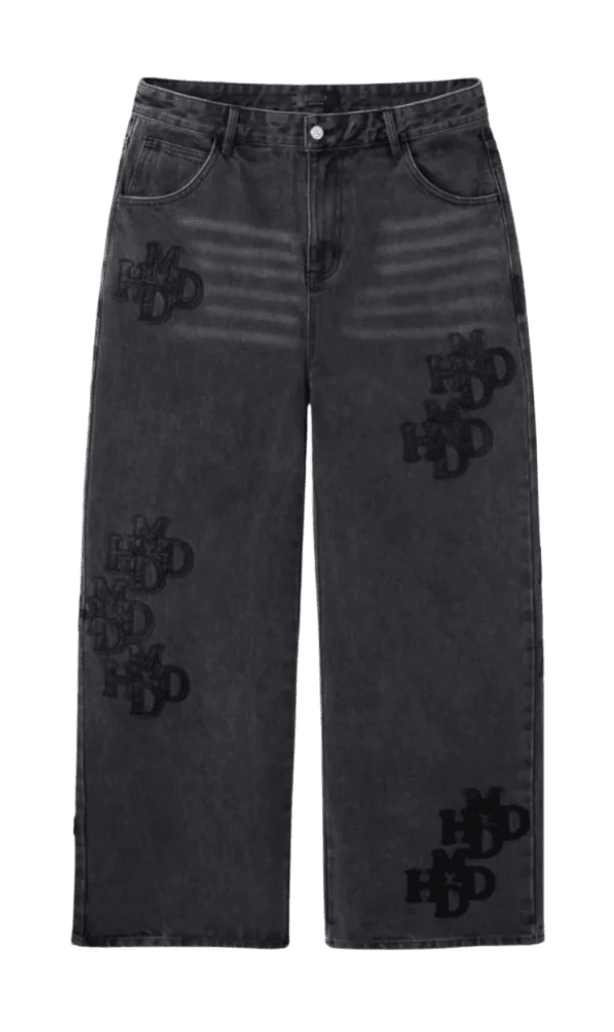
Why HMDD T Shirt Is Popular Quick Buyer Guide

Stacking Pieces With HMDD: Putting Together Fits Based On Sweatpants and Shorts

A lot of folks treat layering as purely a winter survival tactic, rather than a method for shaping a real outfit. That perspective doesn’t hold up, especially when HMDD sweatpants and HMDD shorts are the pieces you’re starting from. Happy Memories Don’t Die has built a clothing approach around ease-driven silhouettes that still hold their shape in a fit, and this dual nature is precisely what makes building layers off these pieces so manageable. You’re not wrestling with bulky fabric or fighting a logo that dominates every frame. You’re working with clean lines that let a hoodie, a jacket, or a simple tee take center stage up top while the bottoms anchor the outfit below.

This piece walks through how to put together stacked looks around HMDD sweatpants and HMDD shorts throughout different seasons, occasions, and proportions. We’ll dig into fabric weight, color stacking, and the small styling decisions that separate a thrown-together fit from one that looks deliberate. For anyone who’s gone through an hmdd review or two but still isn’t sure how these pieces fit into everyday wear, consider this the hands-on continuation.

What Makes HMDD Bottoms Succeed as a Base for Layering

A lot of layering conversations zero in on the top half — jackets, flannels, vests — and treat the bottom half as an secondary concern. That’s a miscalculation with HMDD clothing specifically, because the brand’s sweatpants and shorts are designed with enough purpose that they function as a visual anchor, not just a throwaway item. A tapered sweatpant leg or a shorts cut that sits at a consistent length gives you a reliable base to work off of, which matters more than people realize when you’re layering three or four garments in one outfit.

Think of it in terms of proportional balance. When the bottoms lack structure and sit loose, whatever you layer above has to counterbalance — either tighter or shorter — otherwise the entire look ends up shapeless. HMDD sweatpants typically narrow toward the ankle, which means you can layer a lengthier overshirt or an loose-fitting hoodie on top without the shape falling apart into shapeless fabric. The same logic https://hmdd-clothing.com/t-shirts/ applies to HMDD shorts in warmer months — a tidy hemline and even rise mean you can layer a light jacket or a button-down shirt over a tee without the bottom half fighting the top half for attention.

There’s a fabric-based case to be made as well: heavier fleece-weight sweatpants keep their fold and form more effectively than thin cotton-poly blends do, meaning both their look in photos and their day-long performance improve. That’s part of why hmddla has become shorthand in threads and comment sections for people zeroing in on its streetwear-oriented, LA-adjacent drops — in person the fabric’s weight and drape come across very differently than in a flat product shot, and once you feel it, the layering logic makes more sense.

Building Cold-Weather Layers Around HMDD Sweatpants

Treat the sweatpant as your anchor piece and stack upward in three tiers: a foundational tee, a mid-layer hoodie or crewneck, and a top jacket. Most cold-weather streetwear outfits rely on this three-layer framework, which succeeds because each piece has a clear role. The base tee regulates temperature close to the skin. The hoodie brings extra bulk along with a logo or graphic focal point. Whether it’s a shell, a denim trucker, or a coach jacket, the outer jacket shapes the silhouette when viewed from afar.

With HMDD sweatpants specifically, the slim-tapered shape means you can go heavier on top without looking top-heavy. Pairing a drop-shoulder hoodie with a mid-length puffer over HMDD sweatpants builds an intentionally oversized-top, fitted-bottom silhouette that’s been dominant in streetwear styling for several years running and isn’t fading anytime soon heading into 2026. The critical proportion to monitor is the hoodie’s length against the jacket’s — if your hoodie hem falls more than two or three inches below your jacket hem, the layering reads as sloppy rather than intentional. Tighten that gap and the entire outfit falls into place.

Color sequencing matters just as much as fit. Rather than switching between unconnected tones at every layer, a three-layer cold-weather fit built around HMDD sweatpants should typically transition from dark to light or vice versa, bottom to top. Charcoal sweatpants with a heather grey hoodie and black shell gives an intentional impression. Charcoal sweatpants matched with a bright graphic hoodie and an olive jacket looks unplanned, unless a clash-style look is the deliberate goal, which is its own separate styling approach.

Warm-Weather Layering Around HMDD Shorts

Layering shorts sounds counterintuitive until you separate “layering” from “adding bulk.” During warmer months, layering with HMDD shorts focuses on building visual depth while avoiding extra warmth — a light overshirt, an open short-sleeve button-down layered over a tank, or an unbuttoned mesh jersey worn atop a plain tee. Each of these adds a second textural plane to the outfit without trapping warmth against the body.

What matters most in shorts-based fits is keeping the eye moving vertically instead of letting it stop at the knee. An open outer piece with extra length — something that falls to the mid-thigh area or slightly higher than where the shorts end — creates continuity between the upper and lower portions of the fit instead of a jarring cutoff at the waist. This ranks among the most frequent missteps in warm-weather streetwear styling: a boxy, cropped tee paired with shorts and nothing else can look incomplete, while that identical pair of shorts paired with a marginally extended open shirt layered over the tee immediately looks resolved.

Footwear does a lot of work in shorts-based outfits too, more than most people realize. Because there’s more visible leg, the combination of sock length and shoe shape factor into the styling equation whether you intend it or not. Pairing a low-cut sock with a bulky sneaker stretches the leg visually; swapping in a crew sock with that same shoe compresses the leg visually. When putting together a look with HMDD shorts for a warmer month in 2026, the sock choice deserves treatment as a fourth layer, not something tacked on at the end.

Bringing Sweatpants and Shorts Into One Wardrobe System

Few people commit to just sweatpants or just shorts — most own both and need a simple method for deciding between them each morning without the daily debate. The most straightforward method is temperature banding: under a set temperature point, sweatpants; past that point, shorts, with a in-between band where either works depending on the way you’re layering up top.

A sensible threshold for the majority of climates looks like this: under 55°F, sweatpants are the go-to. In the 55°F-to-68°F range, it’s a coin flip based on activity level and the number of layers on your upper half. Above 68°F, shorts take over unless you’re specifically dressing for air conditioning or a cooldown in the evening. This isn’t a rigid rule, but it removes the daily back-and-forth and allows you to put your energy toward styling energy on the top-half layering instead of relitigating the bottom half every time you get dressed.

A second factor in mixing sweatpants and shorts into one wardrobe is color consistency. If your HMDD sweatpants and HMDD shorts share a similar palette — grey, black, and muted earth tones — your top-layer pieces become swappable between the two, which effectively doubles your outfit combinations without doubling your closet. It’s the same logic behind capsule wardrobes, and it applies just as well to a streetwear-oriented rotation as it does to a minimalist one.

Layering Strategies Compared Season by Season

Weather Period Foundation Layer Mid Layer Outermost Piece Lower-Body Item
Winter Long-sleeve tee Heavyweight hoodie Down puffer or shell piece Sweatpants by HMDD
Spring Short-sleeve tee Thin crewneck Denim jacket or coach jacket Sweatpants by HMDD
Summer Sleeveless top or tee Loose short-sleeve shirt Skip it or wear a mesh jersey Shorts from HMDD
Fall Tee Flannel shirt or overshirt Light jacket HMDD sweatpants or shorts

Final Notes on Building a Cohesive Rotation

The people who ask about hmdd review threads before buying are typically trying to answer one question: is this a true foundational piece, or just a single-outfit item destined to disappear into the back of a drawer? Looking at the way the sweatpants and shorts are constructed, in truth, they’re built to be a supportive base layer for many top-half pairings, not a loud, attention-demanding statement piece. That’s a compliment, not a knock — the best foundation garments in any wardrobe are the ones you stop consciously thinking about because they just work.

If 2026 marks your first time shopping HMDD, avoid the temptation to purchase just one pair of sweatpants or shorts and stop there. Layering systems need at least two bottom options in different weights and two or three top layers that can rotate across them, and best HMDD clothing picks tend to be the pieces that play well with items you already own rather than the loudest item in the lineup. Start simple: a neutral sweatpant, a neutral short, two or three top-layer combos for each, then let the rotation naturally expand — happy memories don’t die, and neither does a wardrobe system that actually gets worn instead of admired on a hanger.

Vintage Tory Burch Style Handcrafted Detailing

Tory Burch Sizes Explained: How to Pick Shoes and Clothing Right First Time

Sizing is the most common reason a Tory Burch order gets returned, and nearly all of it can be headed off. No public fit philosophy is published by the brand, so every point here is based on what buyers report time and again. That distinction matters: these are buyer observations from reviews and forum threads, not the brand’s own official measurements. Prices are given as reference points, and each is an observed market price, seen on live US retail listings in September 2026. No fixed price list comes from the company, and the figures move with season, material and market conditions. One simple objective sits behind all of it: make the first pair or the first dress the right one so that you never pay for return postage again.

Why this brand is trickier to size than it appears

Two separate issues muddy the picture. Start with the lasts, since the footwear is built on a number of different lasts, and a size that fits in a sandal may well fail in a loafer. The second is naming, because Romy, Kira, Eleanor and Charlie each label shoes and bags alike, so the names cross categories. A name-only search will therefore surface products whose https://torystore.org/ fit has nothing in common. Then ready-to-wear piles on a third problem, since knitwear, denim and tailoring do not run alike. The most useful habit is to size each category separately rather than fixing on one number for the whole brand.

Shoes: the pattern buyers report across the line

The most repeated observation is that the footwear comes up narrow. That holds across sandals, flats, loafers and closed styles, and it is the first factor to plan around. Buyers also say, almost as often, that many styles read a little short in length. The standard advice for anyone between sizes is half a size up, and the brand’s own product guidance has said much the same for its best-known sandal. The question behind most searches for tory burch shoes is exactly this one, and the honest answer is that it varies by style. Here, width, instep height and vamp depth count for more than they do at a brand built on a single last.

Miller sandal and Miller Cloud, explained

The Miller is the gateway product and the shoe whose sizing gets discussed most. Buyers commonly report that it sits slightly small and distinctly narrow at its observed $200, and half a size up is the advice you see most. A wide width is offered for the Miller, so it becomes one of the safer choices for a broader foot. The Miller Cloud is not a separate franchise but a cushioned variant of the same shoe, pairing a moulded footbed with a dual-density core of foam. The footbed alters how the foot sits, and buyers who sized up in the original sometimes report the Cloud comes closer to true. Observed pricing sat at $225 for the Miller Cloud Sandal and $150 for the Miller Cloud Light.

Reva ballet flat: the original and the relaunch

The Reva ballet flat is named for the founder’s mother, Reva Robinson, and carries a history worth knowing. Paused in 2017 and relaunched in 2025, it leaves buyers comparing two different shoes under one name. Reports describe the relaunch as a redesign, with a broader, rounder toe, an enlarged logo plate, a narrower opening colour range and a mule option. The price moved sharply too, reported at roughly $330 to $350 against the original $195. Reports on the older Reva are mixed, with a portion of buyers calling it true to size and many going half a size up, though the consistent complaint is that it is narrow through the toe box and shallow through the vamp. Anyone shopping resale should check which generation a listing shows, since the two fit differently.

Slides, loafers, sneakers and boots

As the pared-back alternative to the Miller, Ines slides are spelled without an accent in brand usage. Observed pricing put the Ines Slide at $225 and the single-band version at $250, with a wide version of the slide available. For loafers the observed figures were $325 across the classic, ruched and LeeLee styles, with the tassel version at $375. Buyers commonly report loafers as closer to true, though still narrow, with no room for thick socks at the true size. Sneakers were observed at $250 for the Field and ballet shapes and $300 for the trainers, and they are the most forgiving group. Boots need a second decision beyond length, because a Romy Chelsea Boot at an observed $395 still has to take winter socks, while tall shafts introduce calf width as a third variable.

If you have wide feet

No group is disappointed more often, and there is little value in softening it. In long-running buyer threads the report is consistent: the footwear skews narrow across the entire line, not just in the odd style. Sizing up buys length first and width later, so a shoe can be too long and too tight together. Wide options are named where they exist, including a wide width for the Miller and a wide version of the Ines Slide. Those are the styles to start with, and open shapes will always be kinder than closed ones. The ballet flats attract the least encouraging reports, since a shallow vamp will not yield to sizing up.

Measure first, order after

Five minutes and a ruler will stop most returns before they start. Measure at the end of the day, when feet are largest, and measure both feet because they usually differ. Write down the length in centimetres along with the widest point across the ball of the foot. Tall boots need calf circumference at its widest, plus a note on whether you wear them over denim. For the clothing, measure bust, waist and hip over the underwear you will genuinely have on. Keep those numbers somewhere findable and compare them against the guidance on each product page rather than against a remembered size.

  1. Foot length in centimetres, both feet, measured late in the day
  2. Widest width across the ball of the foot
  3. Calf circumference for any tall boot
  4. Bust, waist and hip measurements for ready-to-wear

Clothing: what the ready-to-wear does on the body

Ready-to-wear covers dresses, tops, knitwear, skirts, denim, outerwear and swim. Tailoring is commonly reported as close to standard American sizing, with a cut through the body that is slim, not boxy. The most variable group is knitwear, given that a merino turtleneck observed at $420 and a jacquard cardigan observed at $550 are built to entirely different intentions. Denim is handled in-house, with a slim-leg jean observed at $350 and a wide-leg at $395; buyers report ordering their usual size. The most fit comments land on dresses, above all the fluid viscose jersey styles observed around $550, which drape rather than hold structure. Swim is reported to run small in the way most swimwear does, and separates give the easier path to a fit.

A quick reference

Everything above is condensed into a single view in the table below. Every line describes what buyers report rather than anything the brand states. Read the right-hand column as a starting position, then check it against your own measurements. Where a style offers a wide option, that will always beat sizing up as a solution. If the report says shallow rather than merely narrow, sizing up will not help. Consult it before ordering, not after the parcel arrives.

Style What buyers commonly report What to do about it
The Miller flat A touch small and narrow Half a size up, else the wide width
Miller Cloud, the cushioned variant A cushioned footbed alters the fit Think true to size
Reva, the original version Narrow toe box, shallow vamp Half a size up, avoid if wide
Reva, relaunched in 2025 Wider, rounder toe reported Try a pair rather than assuming the old size
Ines, the pared-back slide Narrow across the band Wide version wherever it exists
Loafers Close to true but narrow Allow for socks or size up
Ankle boots True in length, with little sock room Half a size up for winter
Tall boots, riding shapes included Calf width, not length, is the constraint Measure the calf first
The knitwear and denim Near usual sizing with a slim cut Order your usual size

Buying without a fitting room

Sizing risk rises sharply once you leave full-price retail. Anything bought in a tory burch sale event is frequently marked final sale, and that removes the exchange that would otherwise put a fit error right. A physical tory burch outlet store sits at the other end of the scale and makes the best setting for a first purchase, because several sizes can be tried in one visit. Nordstrom Rack and TJ Maxx also let you try before buying, and both carry the brand. For fit, resale is the highest-risk channel, because listings often show a size without saying which generation of a style it is. Rather than trusting the marked size, ask a resale seller for the insole length in centimetres.

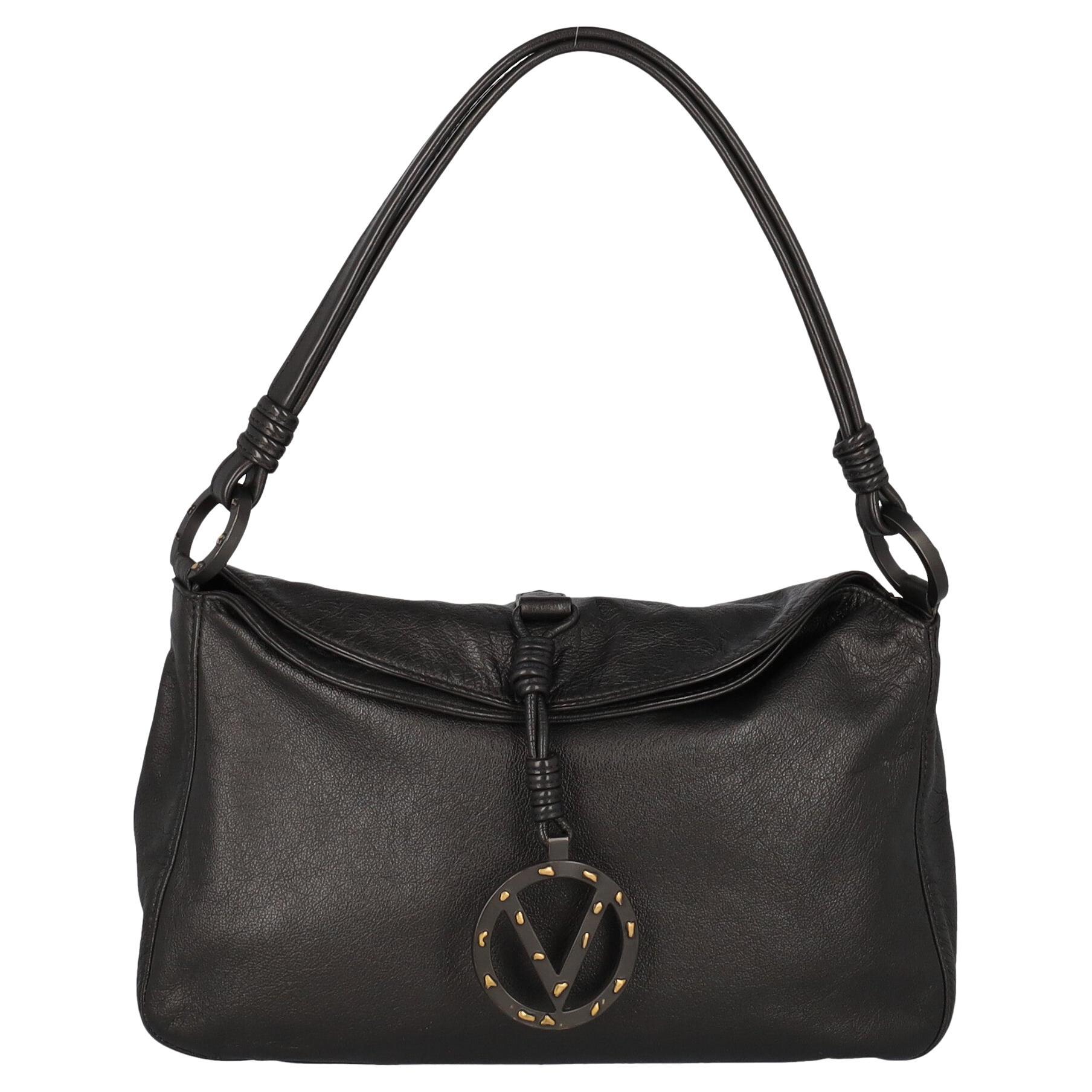
Valetino Roman Style Valentino Boutique

Rockstud versus Rockstud Spike: Which One Belongs in Your Wardrobe

Two ranges sit on the same shelf carrying the same pyramid stud, and choosing between them costs somewhere between one thousand and two thousand dollars. Stated plainly, the Rockstud and Rockstud Spike question comes down to that, which is why so many buyers stall halfway through the decision. They look related because they are related, but they behave differently in the hand, in the wardrobe and on the resale market. One is the everyday line and the other the evening one, and the price gap between them is not decorative. This comparison weighs them on what actually decides the outcome: what each costs at observed 2026 market prices, what materials each uses, what formats exist, and which survives contact with an ordinary week. What follows is taken from what is currently live: both lines remain in the brand’s own bag filters in September 2026.

One motif divided into two tiers

What unites them comes first, given that it is why the comparison exists. The flat pyramid stud anchors both, and it has become the most recognisable hardware in the house’s leather goods; both lines are current rather than archival. Where they part company is tier. Rockstud holds the entry and lower-middle band, $1,250 to $2,100 at observed valentino shopping bag 2026 market prices; Rockstud Spike sits a full step above, at $2,400 to $3,700. Studs are not what the gap measures; materials, size and how dressed-up each line is asked to be account for it. Think of Rockstud as the motif in daylight and Rockstud Spike as the motif in the evening, and most other differences make sense.

Where the studs came from

It was in Fall 2010 that the pyramid stud arrived, introduced by Maria Grazia Chiuri and Pierpaolo Piccioli during their period as co-creative directors of the house. The motif’s proportions follow once you know it began on footwear rather than handbags: the studs were designed to catch light on a curved surface before migrating onto flat leather panels. The design reference cited is bugnato rustication, the rough-cut stonework on Renaissance palazzo façades in Rome, fitting for a house whose creative headquarters is Roman. One piece of chronology often gets muddled online: the motif appeared three years after Valentino Garavani retired from design in 2007, so the studs were never his work, and he died in January 2026 having had no ownership of the company since 1998. The year the Rockstud bag launched is repeated widely though it rests on a single source, so treat any confident date with suspicion. Creative direction has been led by Alessandro Michele since 2024, and both stud lines carrying through that transition intact.

Rockstud in 2026: the line that works for a living

Broader and more practical of the two, Rockstud offers roughly fifty-two pieces observed live on the brand’s own site. Hard-wearing is the direction of the material palette; grainy calfskin anchors it, and suede, raffia, laminated calfskin and pony-effect calfskin fill out the seasonal edges. The formats are everyday formats, and that, in the end, is the real argument for this line. The mini shopping tote is $1,390 in grainy calfskin or suede, $1,490 in raffia, $1,750 laminated and $1,850 in pony-effect. A small valentino crossbody bag in grainy calfskin sits between $1,650 and $1,950, with the laminated version at $1,790, and a small valentino shoulder bag hits $1,950 in suede and $2,100 in grainy calfskin. A laminated calfskin wallet at $1,250 marks the floor, the cheapest way into the motif outside the clutches.

Rockstud Spike in 2026, the dressed-up sibling

A different part of the week is what Rockstud Spike is aimed at, and it is narrower, softer and more expensive for it. The observed palette departs from the grainy calfskin of the base line for nappa, suede, kidskin and embroidered nappa, all more supple and less forgiving of scuffs. What drives the pricing is materials rather than studs. It starts at a crossbody clutch at $2,400, with a small suede at $2,550 and a small nappa at $2,800, while medium sizes run from $2,750 to $3,200 in suede, $2,950 in kidskin and $3,500 in nappa, a medium embroidered nappa topping out at $3,700. Take that last figure as a signal: embroidery is where the line starts behaving like the top of the range rather than its commercial core. Because choice is thinner here than on the base line, the piece you want may simply not exist in the material you want.

Head to head on the numbers

Place the two lines against each other and the pattern is clean rather than subtle. A $300 gap divides the top of one from the bottom of the other, so the whole of the Rockstud range fits underneath the starting price of Rockstud Spike. The materials say it differently: one palette is chosen for wear, the other for drape. A tote and a wallet come with the base line and not with the Spike; the Spike, for its part, offers a crossbody clutch that reads as evening. The figures below are observed 2026 market prices on the brand’s own United States site, not an official price list, and they move with material and season. The table is a map of where the two lines overlap, and that is barely anywhere.

Point of difference Rockstud Rockstud Spike
Observed 2026 range, US $1,250 to $2,100 $2,400 to $3,700
Lowest observed piece Laminated calfskin wallet, $1,250 Crossbody clutch, $2,400
Priciest piece observed Small shoulder in grainy calfskin, $2,100 Medium embroidered nappa, $3,700
Materials seen Grainy calfskin, suede, laminated calfskin, pony-effect, raffia Suede, kidskin, nappa, embroidered nappa
Formats observed Mini shopping tote, small shoulder, small crossbody, wallet Small shoulder, medium shoulder, crossbody clutch
Range of choice Around fifty-two pieces live Considerably narrower

Matching the line to your week

What decides the decision is usually frequency of use, not taste. For a bag that goes to work, holds a phone and a wallet and survives rain twice a month, the grainy calfskin Rockstud is the sane answer, with the mini shopping tote as its most useful shape. For dinners, events and the evenings where you carry almost nothing, the Spike’s nappa and suede provide a softer body and a richer surface, and the crossbody clutch is the format that earns its keep. Colour is another difference: suede and nappa hold saturated tones in a way grainy calfskin does not. There is also a navigation quirk worth knowing: the brand’s own United States site has no crossbody category page, listing bags instead under shoulder bags, totes, top handle bags, clutches, wallets and small leather goods. That means searching for a valentino crossbody bag on the house’s own site works better as a filter by size than as a category, even though most major retailers do maintain crossbody pages.

What the resale market says about each

Neither line should be bought as an asset, and the numbers say so plainly rather than offering encouragement. One major resale platform put Valentino handbags across the house at roughly 41 per cent of retail in 2023: mid-tier, and well below the strongest names. Better than that average are the motif bags, and that is the useful part for anyone weighing these two. That platform’s observed retention lists a Rockstud drawstring bucket at about 56 per cent, a Rockstud flip lock flap at about 56 per cent and a Rockstud pouch crossbody at about 50 per cent. The Spike offers a single illustrative data point rather than a dataset: a medium example observed at roughly $1,700 second-hand against roughly $2,900 new, near 59 per cent but resting on one listing and not to be generalised. Practically speaking, recognisability retains value here, so both lines resell better than the quieter valentino bags, and the base line costs less to be wrong about.

The bottom line

Choose Rockstud if this is your first valentino garavani bag or your only one. It is the cheaper line, the broader one, made in materials that tolerate daily handling, and it carries the two formats most people reach for: a tote and a wallet. Rockstud Spike makes sense if you already own something from the house, want the motif in a softer material, and will use the bag in the evening rather than on a commute. Avoid buying the Spike in the hope of the base line’s durability, or the base line in the hope of the Spike’s drape; the material difference is the whole point of the price gap. Where the budget stretches either way and you remain undecided, the difference is better spent on colour and material within the base line than on the tier above. That single move tends to produce a bag people wear more, and wear is the only performance metric that survives contact with a wardrobe.